February 2, 2026 | 07:37 am

TEMPO.CO, Jakarta - Not all assistive technologies (assistive devices) can effectively assist people with disabilities. A study conducted by the University of California San Diego, USA, found that assistive technology can fail to meet the needs of its intended users due to "technoableism."
"A dangerous belief that disability is a problem that technology must fix (technoableism)," wrote researcher Pratyusha Ghosh of the University of California San Diego, USA, in the Disability Justice Journal, "Paternalism, Autonomy, and Care for More Equitable Futures," as quoted by Tempo, Sunday, February 1, 2026.
According to Ghosh, this belief is linked to a lack of in-depth knowledge within the disability community.
Disability activist and designer Liz Jackson describes this phenomenon as the "shallow disability" perspective.
"It's a well-intentioned, elegant, but useless solution to a previously unknown problem," she said.
In designing assistive technology that can liberate and respect people with disabilities, scholars in the field of disability technology emphasize the importance of centering people with disabilities as users, particularly in adapting and creatively reusing technology.
This principle aims to anticipate and navigate discriminatory or inappropriate environments.
Scholars in this field advocate designing assistive technology as technology that challenges dominant disability narratives. This practice can be implemented through mutual support rather than dependency.
However, according to Ghosh, there has been significant discussion about “technological paternalism” in the field of assistive technology for disabilities. This technology, a patterned technology, refers to systems that influence user behavior, intended to promote the best interests of people with disabilities to act autonomously.
“Because robots’ characteristics and actions are often intentionally designed, guided by goals or assumptions derived from the perceptions of researchers and developers,” Ghosh said.
He added that it is crucial to examine how perceptions in assistive technology patterns are determined and their impact on users with disabilities. Patterns in assistive technology must accommodate users with disabilities to act autonomously. Often, instead of assisting, these technologies can interfere with users’ decisions and reduce their sense of well-being. “Therefore, this discomfort is often avoided by many people with disabilities,” said Ghosh.
Read: Study Finds Humans May Have a Hidden Seventh Sense: Remote Touch
Click here to get the latest news updates from Tempo on Google News
Jakarta Governor Apologizes After Disability Access Mishap
18 hari lalu
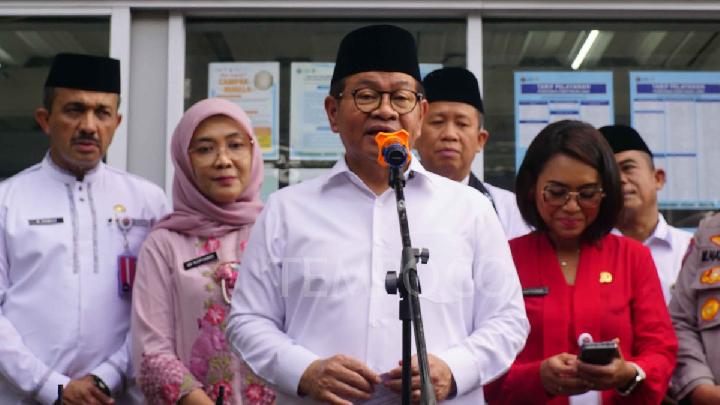
Jakarta Governor Pramono Anung stressed that such accidents are unacceptable and vowed to prevent any recurrence in the capital.
Reasons Why Indonesia's Disability Inclusion Programs Are Not Targeted Well
7 September 2025
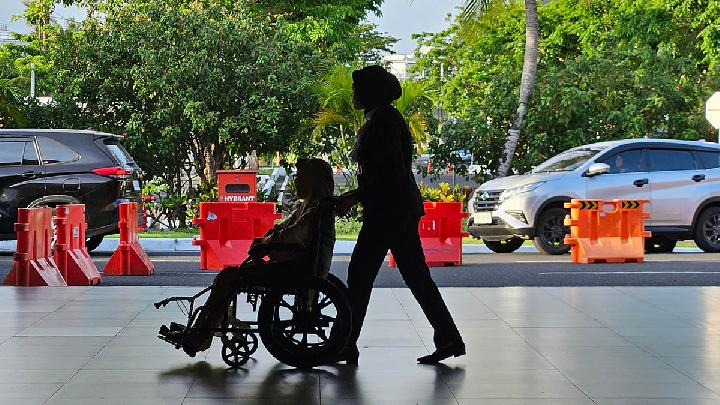
The scattered data of people with disabilities among various Indonesian ministries has led to ineffective disability inclusion programs.
Beyond Ramps and Restrooms: How Schools Can Help Children with Disabilities Thrive
17 Agustus 2025
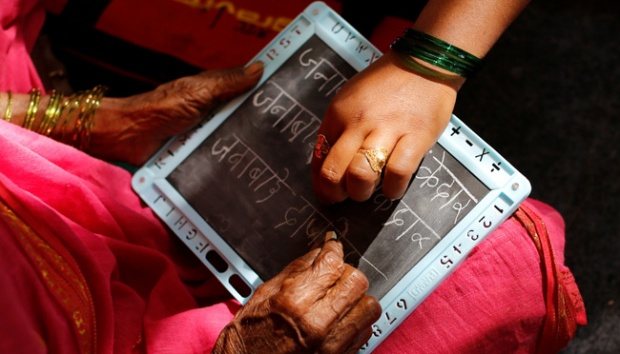
To begin with, children or students with disabilities are underrepresented and barely visible in mainstream educational institutions.
Report: 10 Gaza Children Lose Legs Every Day as Israel Continues Onslaught
16 Juli 2025

The report highlights the impact of the ongoing genocide in Gaza on Palestinian children.
Disabled Hajj Pilgrims Still Struggle with Access to Masjidil Haram
13 Mei 2025

The Masjidil Haram area remains inaccessible to hajj pilgrims with disabilities
Over 11% of People with Disabilities in Indonesia Live Below the Poverty Line
8 Mei 2025

The challenges faced by people with disabilities in Indonesia.
UN: Many Women and Children with Disabilities Experience Cyberbullying
14 Maret 2025

The United Nations (UN) also highlights that online communities involving women and children with disabilities experience cyberbullying.
KontraS Speaks of Discriminatory Practices in Prabowo's Govt Budget Cuts
17 Februari 2025

The budget for the Ministry of Defense and the DPR, he said, did not experience any budget cuts.
Paralympics: History and Reasons for Separation from the Olympics
30 Agustus 2024

But what exactly are the Paralympics? Are they the same as the Olympic Games? Read on to learn more about the Paralympics and its history
Papua Plans to Build Schools for Children with Disabilities in 2025
5 Mei 2024

The Papua government plans to build schools for children with disabilities in Jayapura, Keerom, and Sarmi districts in 2025.