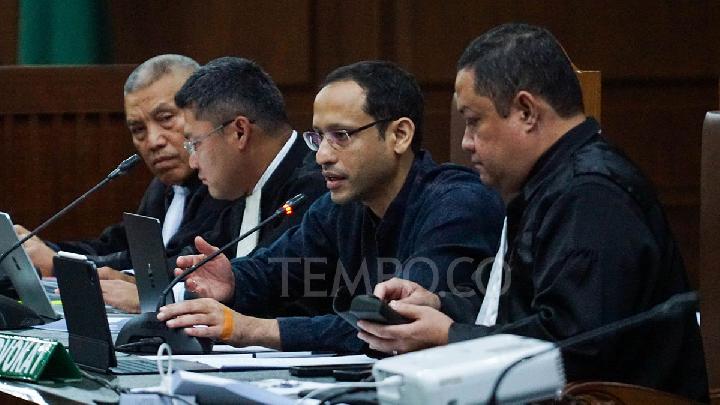
The Chromebook case trial shows the inconsistency of the prosecution’s indictments. The education budget is at stake.
CORRUPTION in the education sector is more than simply a matter of losses to the state, it could deprive millions of students of the right to a proper education. If the case is mishandled, the same thing could happen again. The case of the procurement of Chromebook laptops for the Ministry of Education, Culture, Research and Technology from 2019 to 2022 should serve as an important lesson—not only for law enforcement officers, but also for the integrity of the judicial process.
Since the outset, it seems this case has been rushed through. The identities of potential suspects were apparently released before they were officially named as suspects. The name of Education Minister Nadiem Anwar Makarim was even mentioned before his legal status was clear. This practice risks undermining the presumption of innocence, a principle that should be upheld from the investigation phase through to the trial.
The irregularities continue in the prosecution construction. The Ministry’s former technology consultant, Ibrahim Arief, faces a demand of 15 years in prison—far higher than the six-year sentence demand for Ministry officials accused of actually receiving funds. In corruption law, a consultant is typically not considered a primary perpetrator because they do not have administrative authority. This disparity in demands is not simply a matter of numbers, but it reflects how the prosecutors are constructing the case before the judges.
The ongoing trial has become an arena for proving the real facts. The sentences handed down to two former ministry directors—jailed for four years and four and a half years respectively—shows that the judges have begun to map out the roles of the people involved. And the judges affirmed state losses amounting to Rp2.18 trillion (US$128 million). But each case stands alone. These verdicts do not automatically determine the fate of other suspects, but serve as a reference for assessing
In the courtroom, the quality of the evidence will be the deciding factor. Prosecutors are required to present valid evidence, explain the flow of funds, and prove a causal link between policy and state losses. On the other hand, the defense team will have to examine every loophole, from the procurement procedure and decision-making authority to the validity of the evidence. This is how to test the principle of the fair trial—is it truly a forum for seeking the truth or simply a formality to legitimize the predetermined outcome?
Another crucial aspect is transparency in disclosing the policy-making process. The shift in the feasibility study from the Windows operating system to ChromeOS must be fully unpacked in court, including the underlying rationale. The same applies to the meetings between Nadiem and Google representatives before the project started. These facts are vital in determining whether conspiracy or conflicts of interest existed from the planning stage.
In the end, the credibility of law enforcement is at stake in the courtroom. If the prosecutors fail to present the case carefully, or the judges do not thoroughly examine the facts, it is not impossible that the perpetrators may well escape justice. This kind of precedent will weaken the fight against corruption, particularly in the education sector.
And the students will still be the biggest losers. The Chromebook laptops proved ineffective in many of the country’s disadvantaged, frontier, and outermost regions due to the limited Internet connectivity. The Rp9 trillion (US$529 million) fund should have been allocated for more pressing needs. At a time of pressure on the education budget, any failure to get to the bottom of this case will mean allowing the losses to multiply—not only state funds, but also the future of an entire generation.
New Testimony in Nadiem's Alleged Chromebook Corruption Case
1 jam lalu
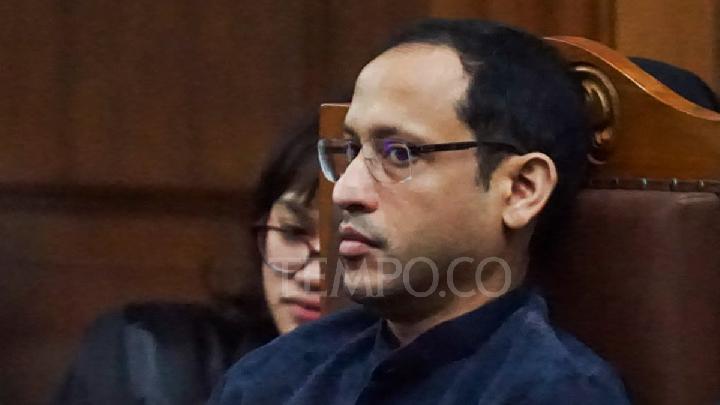
Judges extended the trial of Nadiem Makarim in the Chromebook corruption case. Former Google executives testified.
Reforming the Public Services Watchdog
5 hari lalu
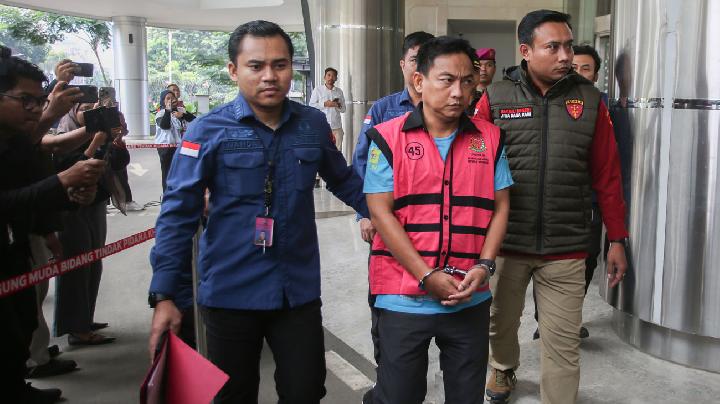
The Indonesian Ombudsman Chair is named a corruption suspect. The institution needs to be reformed comprehensively.
This is a Shared Responsibility
10 hari lalu
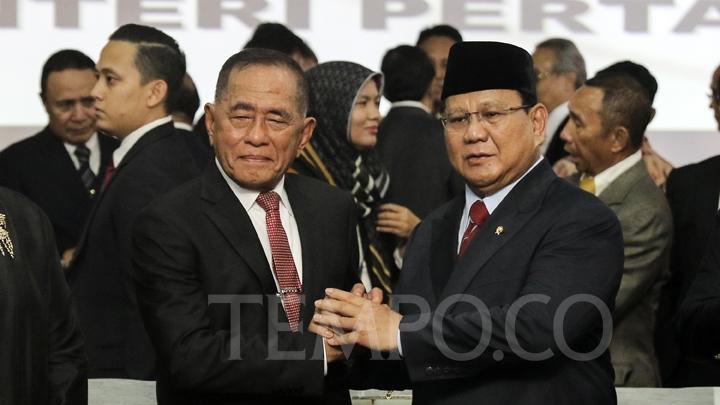
Defendants in the satellite corruption case ask judges to summon Ryamizard Ryacudu and Joko Widodo.
The Satellite Corruption's Chain of Responsibility
13 hari lalu

The suspect in the satellite corruption case does not want to be the only person prosecuted. He has named Ryamizard and Jokowi.
The Chain of Command in Satellite Corruption
13 hari lalu
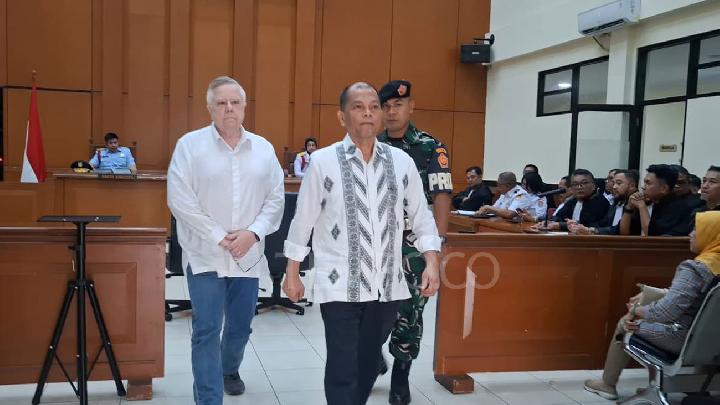
Defendants in the satellite corruption case say they hold documentary evidence of orders to secure the 123 degrees East Longitude orbital slot.
KPK Proposes Two-Term Limit for Political Party Leaders
13 hari lalu
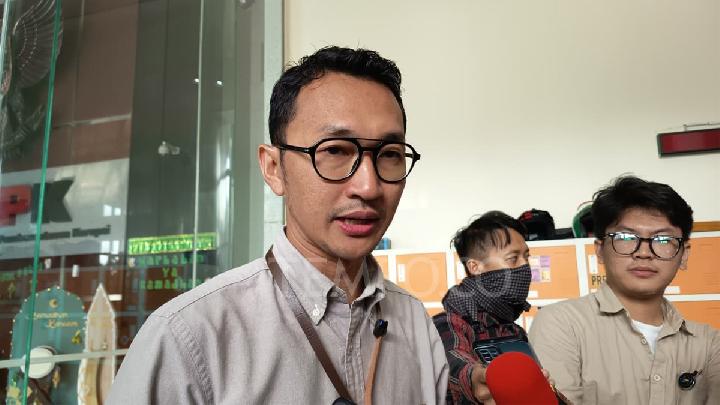
KPK stated that the proposal to limit the term of office for general chairpersons of political parties also originated with the party's members.
Ombudsman Apologizes for Arrest of New Chief Hery Susanto
19 hari lalu
Hery Susanto was detained just one week after his inauguration as Chief of the Ombudsman for the 2026-2031 term.
Indonesia's Ombudsman Chief Named Suspect in Nickel Corruption Case
20 hari lalu
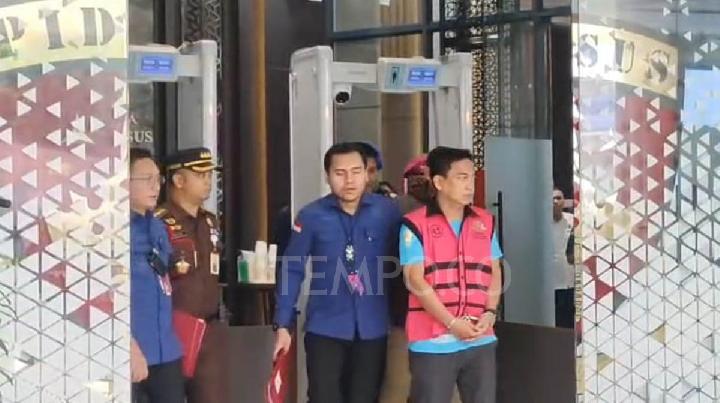
The AGO has named Hery Susanto, Chair of the Indonesian Ombudsman 2026-2031, a suspect in a corruption case linked to nickel mining governance.
Spanish PM Pedro Sanchez' Wife Charged with Corruption
22 hari lalu

The case stems from a far-right anti-corruption group's complaint, the latest in a series of allegations targeting Pedro Sanchez's inner circle.
Nadiem Makarim Asks Court to Summon Six Witnesses in Chromebook Case
23 hari lalu
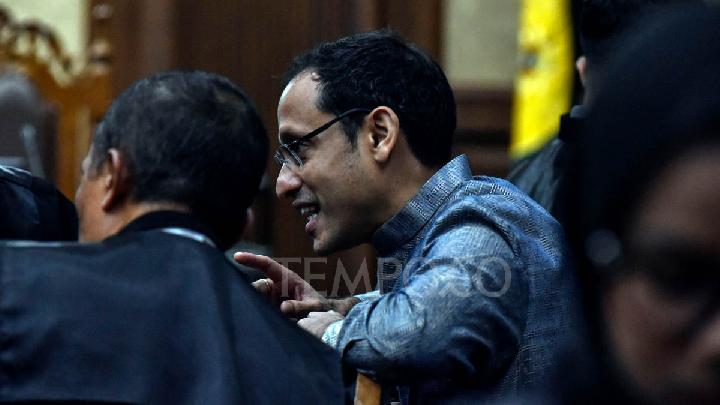
The former Minister of Education Nadiem Makarim requested prosecutors to bring six witnesses to the trial of the Chromebook corruption case, but the prosecution deemed that the existing evidence is sufficient.