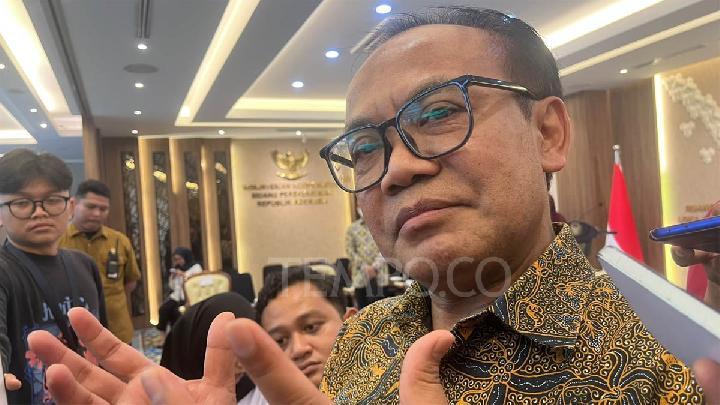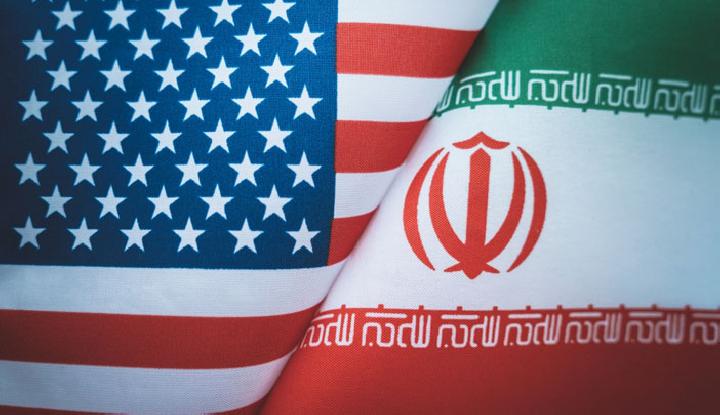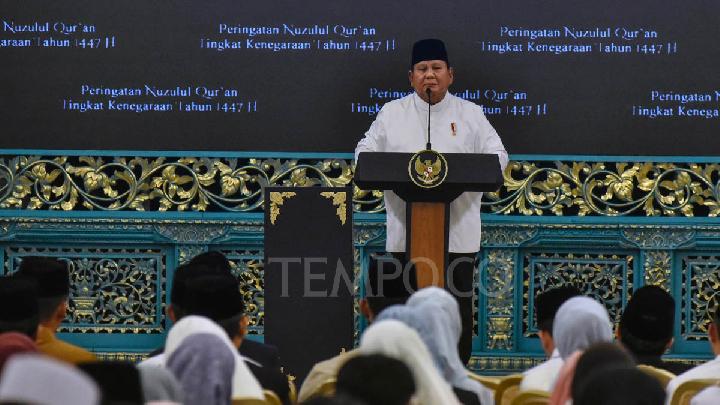

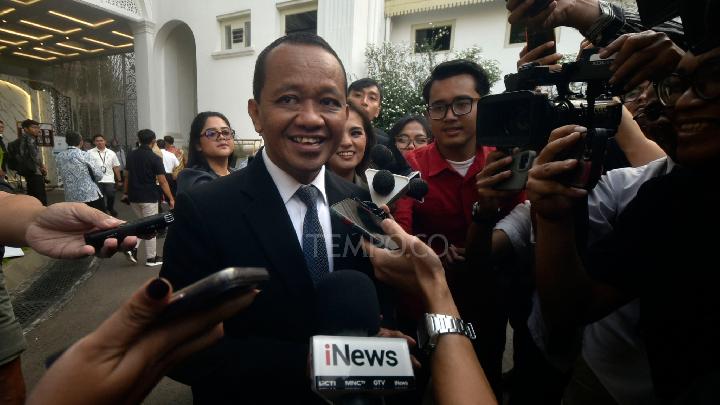
TEMPO.CO, Jakarta - Finance Minister Purbaya Yudhi Sadewa stated that the government has no plans to raise the prices of subsidized fuel despite the increase in world oil prices due to the conflict between the United States and Israel with Iran.
"Up to now, there has been no policy to change the fuel subsidy, in the sense of raising fuel prices," Purbaya told reporters in Jakarta on Monday, March 9, 2026, as quoted from Antara.
This decision was made after the government ensured that the domestic oil supply is still relatively secure. This is in line with what was previously conveyed by the Minister of Energy and Mineral Resources (ESDM) Bahlil Lahadalia.
Furthermore, Purbaya explained that the current average world oil prices are still below the maximum capacity of the State Budget (APBN). This indicates that the APBN remains robust enough to withstand the impact of oil price volatility.
Nevertheless, the government will continue to monitor developments in the next month and make decisions as needed. "Now is not the time to make a decision, because there are still enough funds," said Purbaya.
Purbaya also hopes the public remains calm and trusts the government's policies in navigating the world's turmoil. Moreover, Indonesia has previously experienced a surge in oil prices.
"We will see what the conditions are like. After a month, we predict what the oil prices will be like, so that we can make the right policy," said Purbaya. "Just trust me, I'm quite smart. We have experienced high oil prices several times, and the country didn't collapse, right? Why? Because the policies were right."
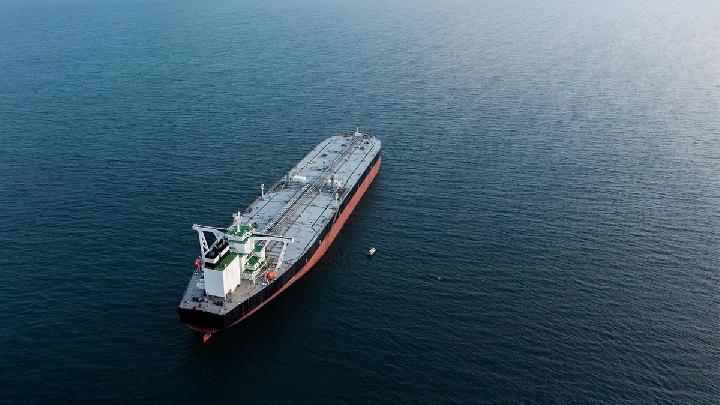
On a separate occasion, Bahlil affirmed that the fuel supply is reliable enough to meet public demand during Ramadan and Eid al-Fitr. He also guaranteed that the subsidized fuel, Pertalite, will not increase even if the world oil price exceeds US$118 per barrel.
Reported by Sputnik, the price of Brent crude oil reached US$118 per barrel for the first time since June 17, 2022. This figure is higher than the average oil prices in January 2026, when Brent (ICE) was at US$64 per barrel, and WTI was at US$57.87 per barrel.
Read: Indonesia: No Fuel Price Hike Until Eid Despite Crude Oil Surge
Click here to get the latest news updates from Tempo on Google News
Indonesia: No Fuel Price Hike Until Eid Despite Crude Oil Surge
4 jam lalu
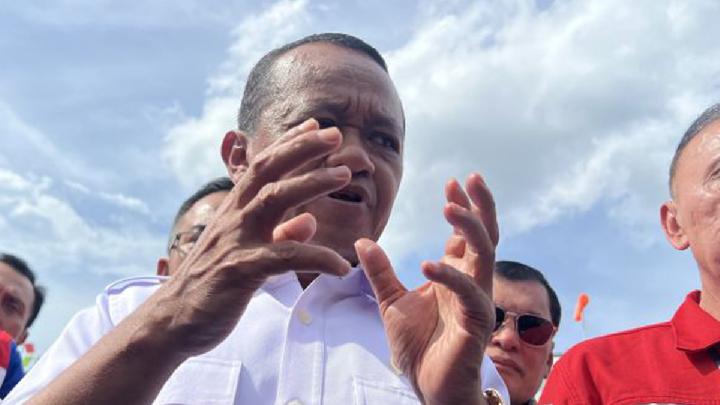
Minister of Energy and Mineral Resources (ESDM) Bahlil Lahadalia assures there will be no fuel price hike until the upcoming Eid.
Indonesia Gas Station Fuel Prices: Pertamina, Shell, BP, and Vivo
7 jam lalu
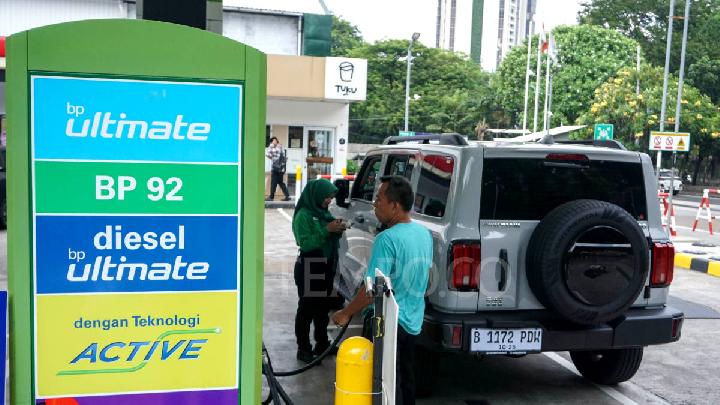
Fuel prices in Indonesia stayed stable despite rising global oil prices amid Middle East tensions.
Israeli Military Strikes Iranian Fuel Storage Sites
1 hari lalu
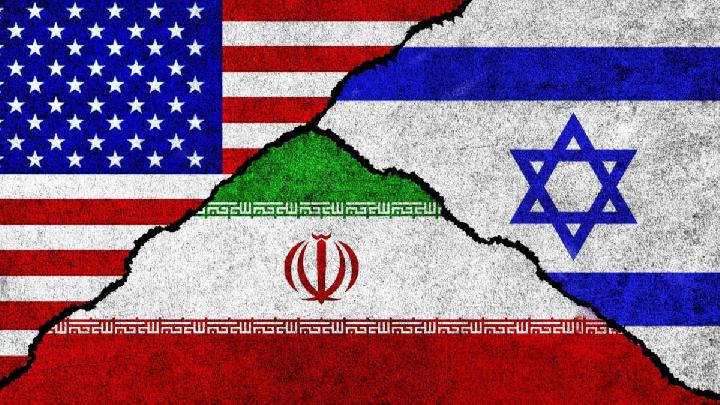
The Israeli military said it struck several Iranian fuel storage sites on Saturday, with explosions seen in capital Tehran and neighbor Karaj.
BPKN Warns Indonesians Against Fuel Panic Buying
1 hari lalu
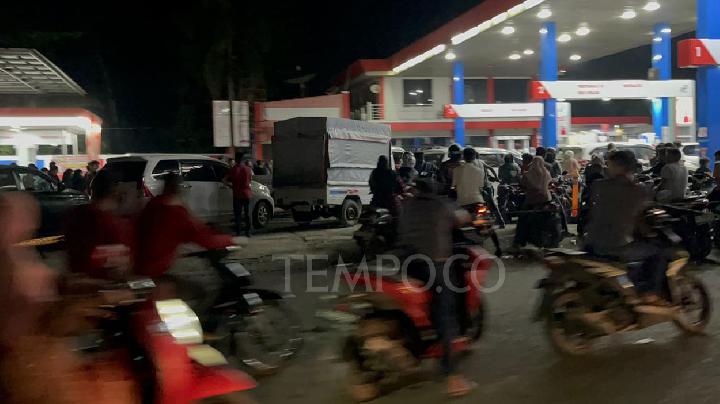
Indonesia's National Consumer Protection Agency (BPKN) has warned the public against 'panic buying' when purchasing fuel.
Minister Bahlil Urges Calm: No Need for Fuel Panic Buying
2 hari lalu

Energy Minister Bahlil Lahadalia ensures that the fuel stock is sufficient for domestic needs despite the Strait of Hormuz crisis.
Indonesia's Subsidized Fuel Prices Will Not Rise Yet, Says Minister
4 hari lalu

Despite rising global oil prices, Indonesia has not yet opted to raise the price of subsidized fuel.
Japan-Indonesia Oil Reserves Disparity Amid Iran War Explained
4 hari lalu
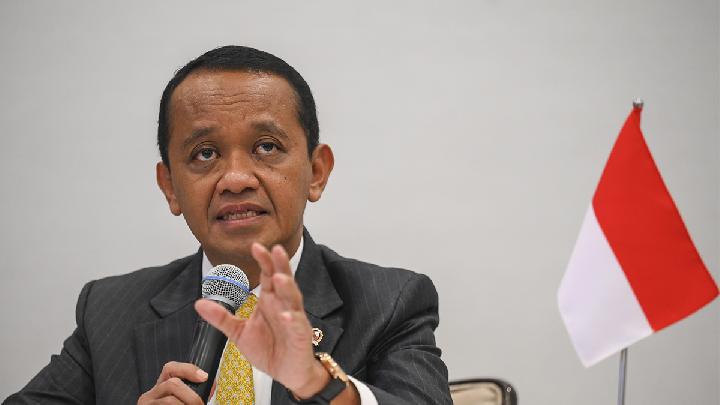
Japan retains 254 days' worth of oil reserves, while Indonesia has less than a month worth of oil.
Pertamina Prepares 7,885 Gas Stations for 2026 Eid Homecoming
5 hari lalu
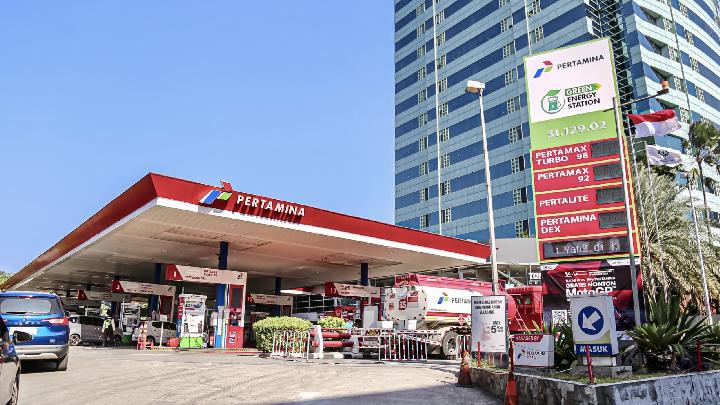
PT Pertamina Patra Niaga also prepares 6,662 LPG agents, including around 6,300 agents operating for 24 hours.
Indonesia Can Sustain Fuel Supply for 20 Days, Says Minister Bahlil
5 hari lalu
Minister Bahlil explains that a 20-day oil reserve is not an emergency.
Indonesia Yet to Decide on Fuel Price Hike Amid Strait of Hormuz Closure
5 hari lalu
The Indonesian government is closely monitoring the situation between the U.S., Israel, and Iran, and its potential impact on fuel prices.