February 21, 2026 | 08:59 am
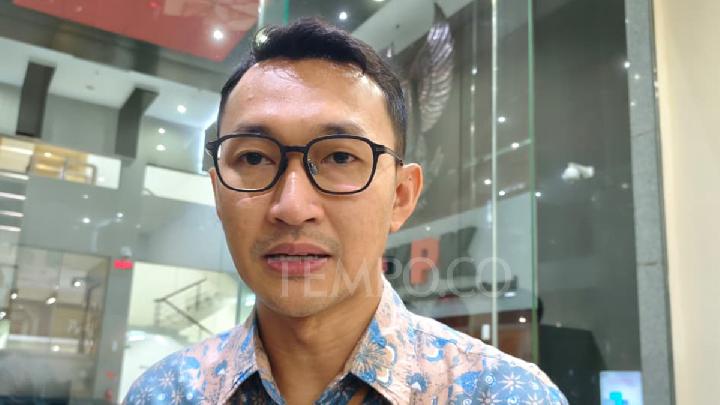
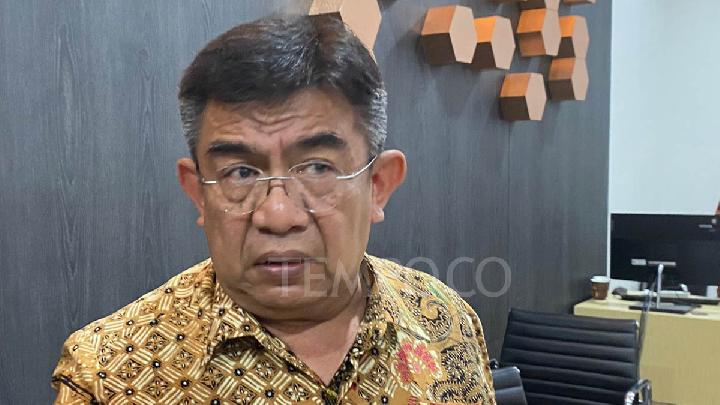
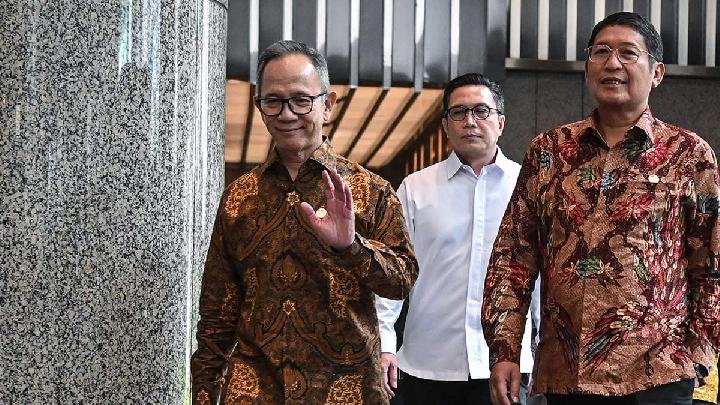
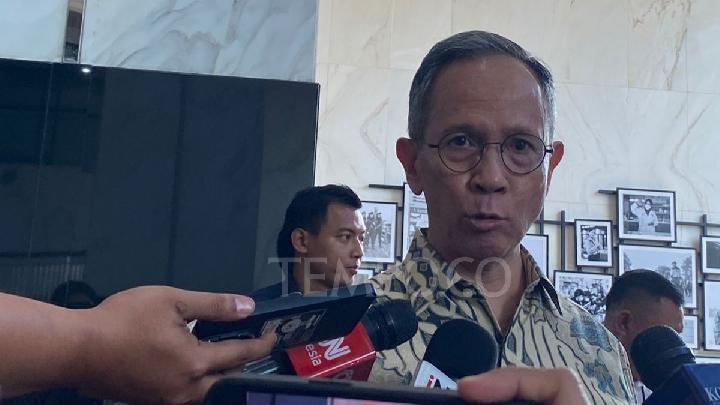
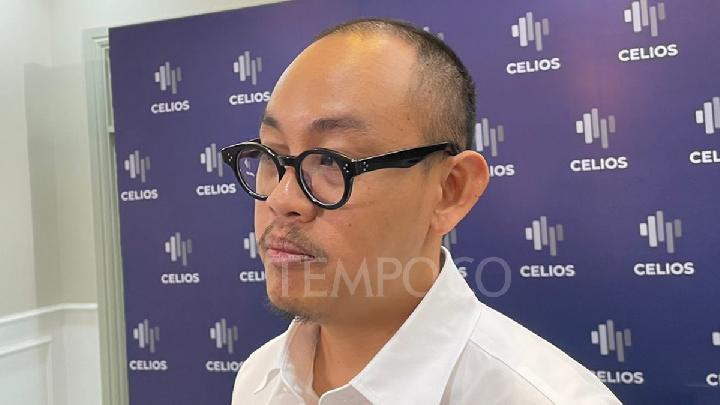
TEMPO.CO, Jakarta - Bhima Yudistira Adhinegara, Director of the Center of Economic and Law Studies (Celios), raised concerns over the Agreement of Reciprocal Trade (ART) between Indonesia and the United States. He argues the pact risks stalling national industrialization.
"Indonesia's industrialization potential could be jeopardized due to the absence of technology transfer obligations. Downstreaming could also be stalled if the United States is able to directly purchase mineral ore from Indonesia," Bhima said in a text message on Friday, February 20, 2026.
Bhima contends that omitting technology transfer mandates and removing Domestic Component Level (TKDN) requirements will likely cripple the ability of domestic industries to achieve self-sufficiency. Without divestment clauses, he asserts Indonesia risks remaining a mere raw material supplier.
According to Bhima, this framework could contract the export market for Indonesian industrial goods. He also cautions that restrictions on Indonesia’s cooperation with nations deemed contrary to U.S. interests could block the export of downstream products, such as batteries, to key partners like China.
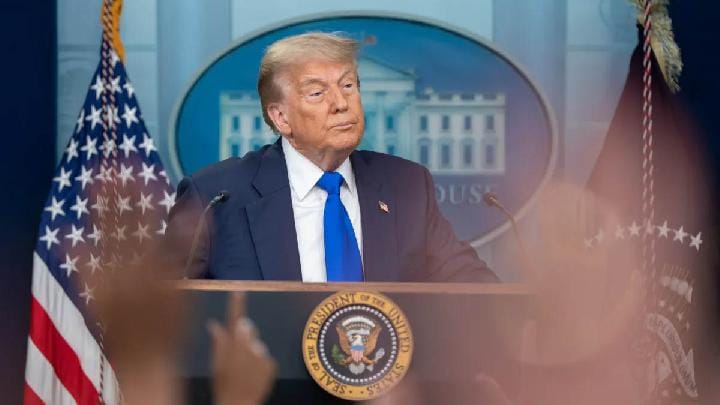
Bhima maintains that this reciprocal trade agreement is poised to damage the national economy, characterizing it as a form of economic colonization under U.S. President Donald Trump.
He further predicts the pact could flip Indonesia's trade balance from surplus to deficit and spark mass layoffs across multiple sectors, particularly in agriculture and manufacturing. In the long term, he warns, poverty rates could see a gradual, steady increase.
Celios highlights seven concerns regarding the pact: it endangers Indonesia's sovereignty and economic independence through a flood of food, oil, and tech imports. There is no provision for technology transfer from U.S. firms and no protection for domestic industries following the elimination of TKDN. Furthermore, foreign entities may secure 100 percent ownership in mining, fisheries, and finance without divestment obligations.
Additionally, the deal implies that U.S. trade rivals become Indonesia’s rivals via U.S. sanctions, effectively closing off Indonesia’s transshipment opportunities. The terms are largely detrimental to Indonesia, with the sole exception of worker protection clauses.
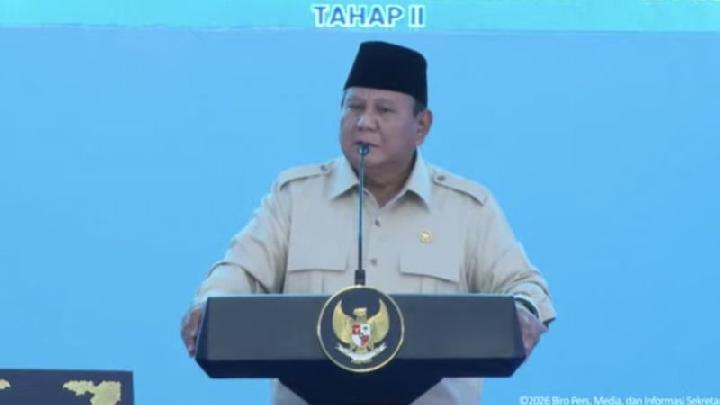
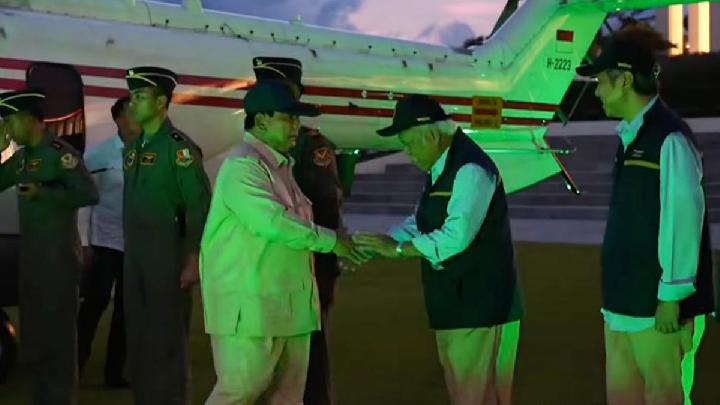
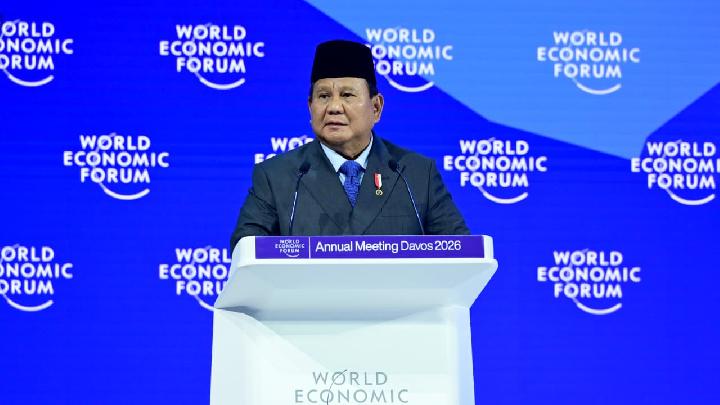
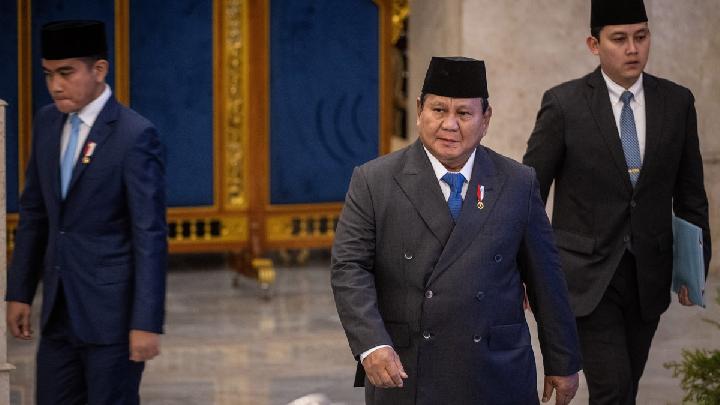
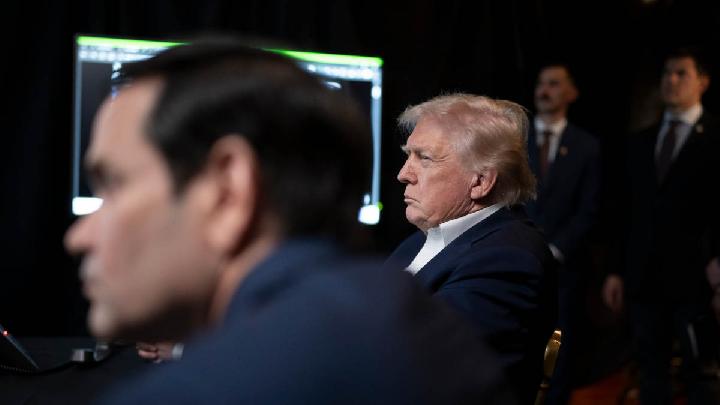
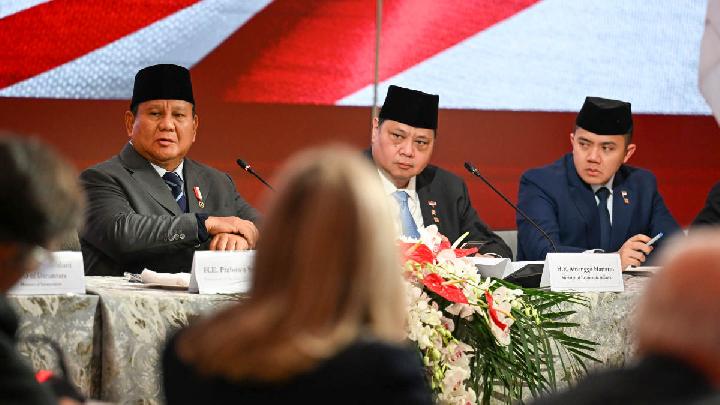
Indonesian President Prabowo Subianto and U.S. President Donald Trump signed the Agreement of Reciprocal Trade (ART) in Washington, D.C. on Friday morning, February 20, 2026, Indonesia time. The signing also formalizes a 19 percent tariff on Indonesian exports to the United States.
The outcome of the negotiations is detailed in a 45-page ART document. This agreement outlines specific obligations for Indonesia, the United States, and mutual commitments between the two nations.
In the document, the United States demands that Indonesia fulfill at least 217 obligations. In contrast, the United States has committed to only six obligations, with three additional points of mutual obligation between the parties.
Read: Trump Sweeping Tariffs Struck Down: What Happens Next?
Click here to get the latest news updates from Tempo on Google News
Impact of Moody's Downgrade on Indonesia's Rating Outlook
14 hari lalu
Moody's has downgraded Indonesia's debt outlook to negative over fiscal deficit concerns. Will it impact Indonesia's economy?
Who Benefits from Indonesia's Free Meal Program During School Holidays?
59 hari lalu
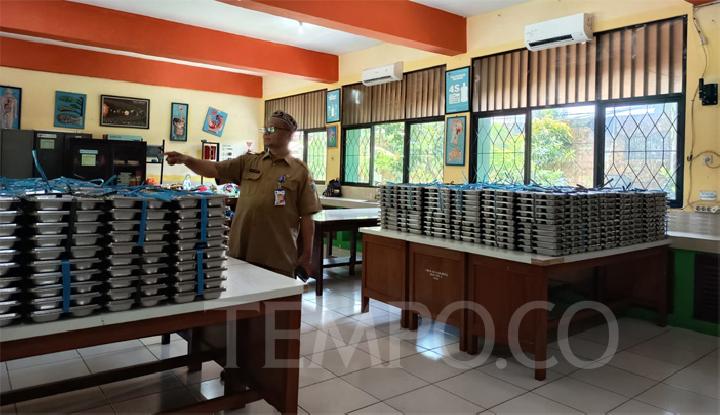
Celios criticizes Indonesia's BGN for continuing its free nutritious meal program during year-end school holidays.
Sumatra Disaster: Celios Calls for Moratorium on Mining and Palm Oil Permits
4 Desember 2025
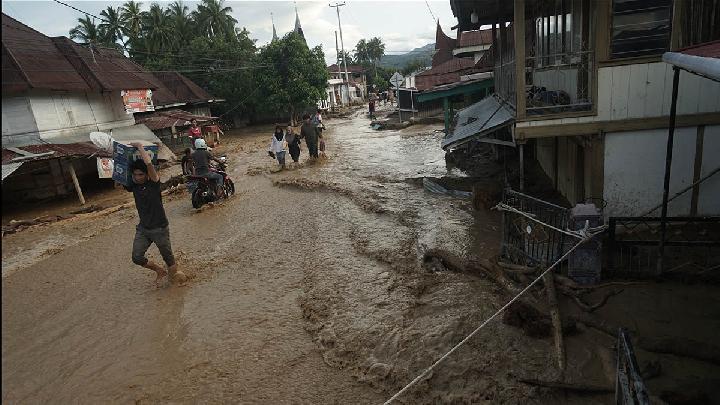
Celios evaluates that ecological disasters, such as floods, not only affect the regional economy but also the national economy.
One Year of Prabowo-Gibran: Celios Releases Ministerial Performance Rankings
20 Oktober 2025

In addition to Prabowo-Gibran's performance, Celios surveyed the performance of the ministers in the Red and White Cabinets.
Survey: Indonesia's Bahlil Named Worst-Performing Minister with -151 Score
20 Oktober 2025
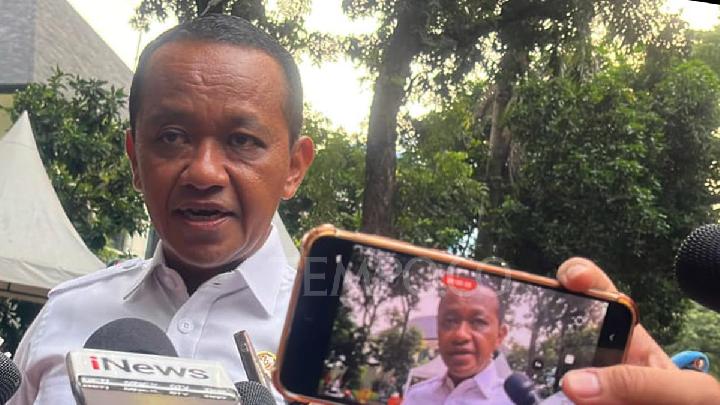
Minister of Energy and Mineral Resources Bahlil Lahadalia ranked lowest in performance, with a score of minus 151 points.
Bahlil is the Worst-Performing Indonesian Minister, Says Survey
20 Oktober 2025

Celios conducted two separate surveys to assess the performance of Indonesian ministers. Bahlil ranked at the bottom in both.
Analyst: Direct Cash Could Boost Indonesia's MBG Benefits to Rp50,000 per Child
7 Oktober 2025
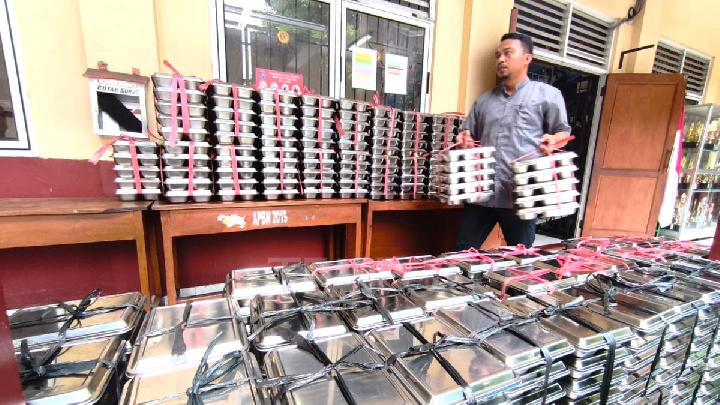
Indonesia's Celios recommends giving Free Nutritious Meal (MBG) funds directly as cash, potentially providing up to Rp50,000 per child per meal.
China's Influence in Indonesia's Economy Hits 41.2%, Study Shows
11 September 2025

In the Celios report, the influence of China on the economic sector reaches 41.2 percent. This sector includes trade activities, investments, and infrastructure.
Economist Outlines Three Risks of Indonesia's Burden Sharing Scheme
10 September 2025
A new burden sharing scheme, jointly agreed upon by Bank Indonesia and the Finance Ministry to finance the government's programs, has drawn criticism.
Celios Views Finance Minister Reshuffle as Positive Sign for Indonesia's Economy
8 September 2025
Celios identifies at least five tasks for Purbaya Yudhi Sadewa as the new Finance Minister.