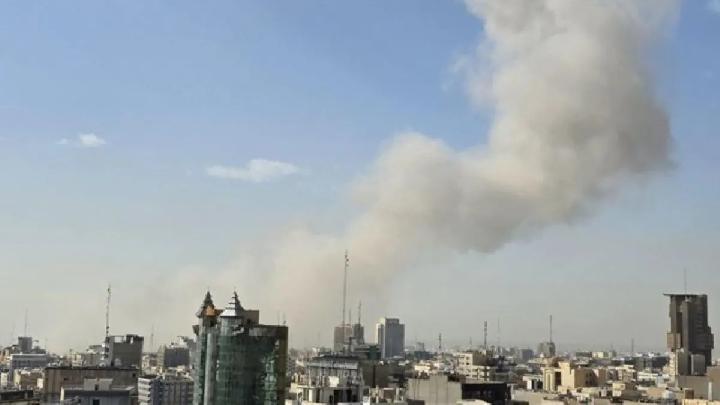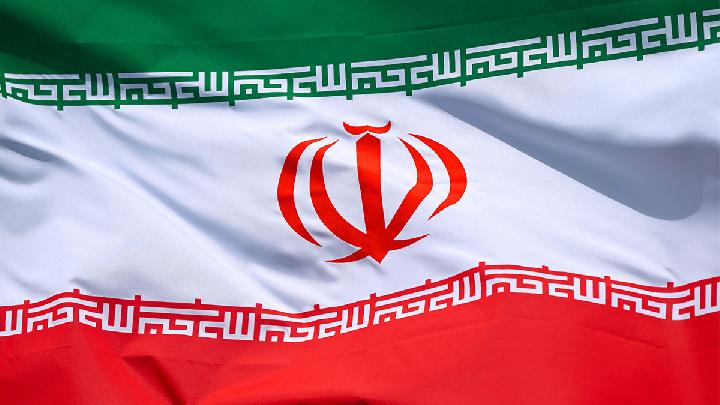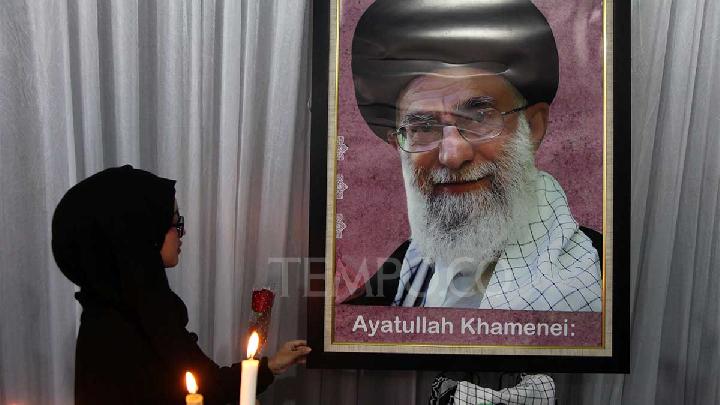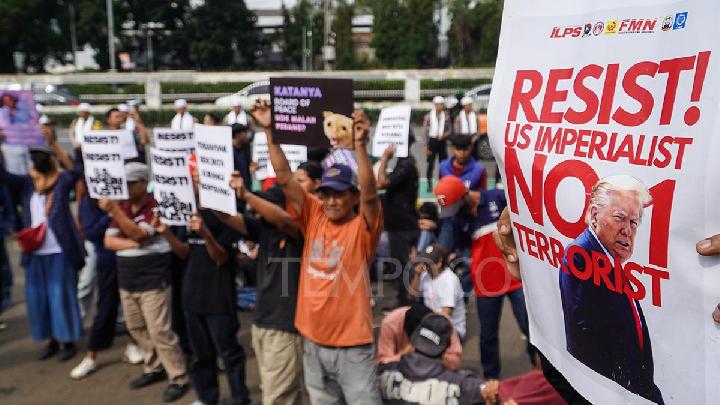
TEMPO.CO, Jakarta - The US-Israeli war with Iran is affecting the tourism industry on the Arabian Peninsula, which until recently had set new records. After years of rapid growth, the sector is now facing a sudden downturn. Following the latest attacks by the United States and Israel on Iran, and Tehran's subsequent counterstrikes, hundreds of thousands of travelers from around the world have found themselves stranded across the region.
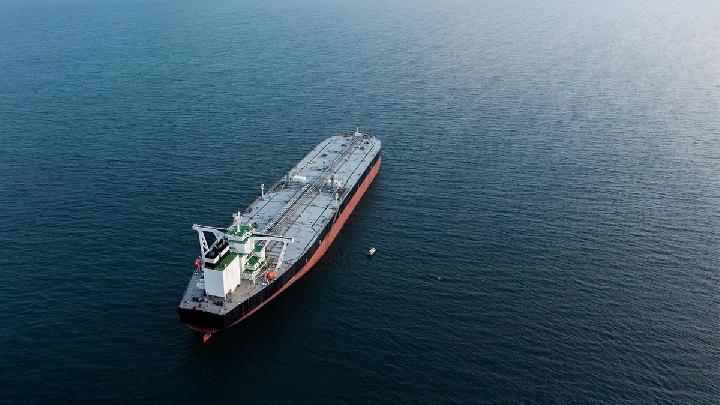
The widespread closure of airspace over large parts of the peninsula has left both holidaymakers and business travelers unable to get back home. Disruptions to shipping through the Strait of Hormuz have also affected cruise liners still operating in the Persian Gulf.
"The current crisis is an absolute shock for the countries affected in the region," said Hans Hopfinger, a longtime professor of cultural geography at the Catholic University of Eichstätt-Ingolstadt who has studied tourism development in the Middle East and North Africa. In recent years, several Gulf states have gone to great lengths to promote themselves as safe destinations. "There have never been terrorist attacks in Dubai or other emirates like there have been in other Arab tourist hot spots," Hopfinger notes.
A Growing Industry
According to the United Nations World Tourism Organization (UNWTO), the Middle East and North Africa is "one of the fastest-growing tourism regions in the world." In 2025, nearly 100 million international travelers visited countries such as Egypt and Jordan, as well as Qatar and Saudi Arabia. That figure represents a 39% increase from 2019, just before the coronavirus pandemic was declared. No other region has matched that pace of growth, according to the UNWTO.
The scale that the travel industry has now reached — especially in the Gulf states — is evident at Dubai International Airport, which has evolved into a global hub in recent years. According to the airport's own figures, more than 95 million international passengers passed through the airport in 2025, more than ever before — and more than at any other airport in the world. At the same time, the emirate set a new tourism record for the third consecutive year, welcoming nearly 20 million visitors.
Hans Hopfinger attributes these successes largely to long-term planning. Diversifying the economy away from oil and gas was identified early on as a strategic priority, he said. Dubai was the first emirate to adopt a comprehensive master plan, promoting shopping tourism, golf tournaments and other major sporting events, as well as cultural attractions. Other Gulf states have since followed suit.
Saudi Arabia's Tourist Visa
Saudi Arabia began issuing e-visas for tourists in 2019. For decades, the oil-rich kingdom had little economic incentive to cultivate a tourism sector. "Countries with substantial oil and gas reserves simply did not need to focus on tourism," Hopfinger said. Countries such as Egypt, Tunisia, Jordan, Morocco and Omanbegan investing in the tourism sector much earlier, seeking to diversify their economies.
Under its sweeping reform program, Vision 2030, Saudi Arabia is channeling billions of dollars into large-scale development projects designed to reposition the country as a leading global travel destination. The target is ambitious: By 2030, the kingdom aims to attract 70 million international visitors a year.
Across the Gulf region, a broad range of attractions is drawing growing numbers of foreign tourists. Visitors are lured by a mix of heritage sites and rapidly expanding cities known for luxury hotels, giant shopping malls and flagship museums. Major international events have further boosted the region's visibility, including Formula 1 races, the 2022 FIFA World Cup in Qatar and Expo 2021 in Dubai.
Saudi Arabia also occupies a unique position for Muslims. The cities of Mecca and Medina, Islam's two holiest sites, draw millions of pilgrims each year — long forming the backbone of religious travel to the kingdom and now complementing its broader tourism goals.
Cancellations Expected
The US-Israeli war on Iran has become a serious setback for efforts to promote tourism in the region. As travel warnings multiply, the industry is bracing for a wave of rebookings and cancellations.
"The security situation in the Middle East has never been stable," Hopfinger said. "For decades, the region has been marked by major conflicts, primarily between Israel and the Arab states." In the months ahead, travel industry representatives expect demand to shift toward more established holiday destinations, particularly around the Mediterranean.
How quickly international tourism can recover in the affected countries once the situation stabilizes will depend on several factors, said Martin Lohmann, of the Research Association for Vacation and Travel, who has studied vacation behavior for many years. If security risks are removed, infrastructure remains intact, and key attractions are preserved, recovery could come within weeks, he said. "I can imagine that happening in the United Arab Emirates."
For now, however, the immediate priority is the evacuation of stranded travelers. Tour operators are working to fly their guests out as swiftly as possible, and a small number of planes have departed in recent days. Still, given the volatile situation, it may take several more days before all travelers are safely home.
Read: Is Sustainable Travel Possible in Times of Mass Tourism?
Click here to get the latest news updates from Tempo on Google News