February 22, 2026 | 11:45 am
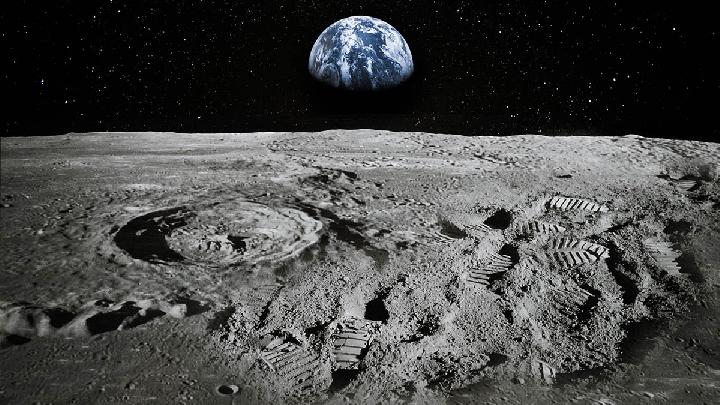
TEMPO.CO, Jakarta - The US space agency NASA on Saturday announced that an issue with the flow of helium to the upper stages of its SLS rocket has left engineers with no option but to again postpone the launch of the agency's first manned moon mission in 50 years.
NASA Administrator Jared Isaacman said that a bad filter, valve or connector plate could have stalled helium flow, explaining that the 322-foot-tall (98-meter) rocket would have to be rolled back into the Vehicle Assembly Building at Kennedy Space Center in Florida to allow specialists to track down the source of the problem.
"We will begin preparations for rollback, and this will take the March launch window out of consideration," Isaacman said via X. NASA's next opportunity will likely come in April.
Artemis moon mission delayed after rocket issue
The Artemis 2 mission had been most recently scheduled for launch on March 6. It was intended to send three US and one Canadian astronaut into lunar orbit during a 10-day flight.
"I understand people are disappointed by this development," said Isaacman. "That disappointment is felt most by the team at NASA, who have been working tirelessly to prepare for this great endeavor."
NASA says this latest issue is not related to hydrogen fuel leaks that marred a countdown dress rehearsal of the Space Launch System (SLS) rocket earlier this month.
The Artemis program has completed one unmanned lunar orbiting mission to date and has been plagued by similar technical issues.
Between 1968 and 1972, NASA's Apollo program flew no less than 24 humans to the moon.
It is expected that NASA will need several years to put a person on the moon's surface again — a declared goal of US President Donald Trump.
The push comes as China pledges to match the US with a crewed mission by 2030.
The US hopes to use the moon as a launching pad for future flights to Mars.
Read: NASA Captures Sun's Solar Flares, Auroras May Light Up Skies
Click here to get the latest news updates from Tempo on Google New
NASA Captures Sun's Solar Flares, Auroras May Light Up Skies
17 hari lalu

NASA captured powerful solar flares from Sun's active Region 4366, raising the possibility of auroras and brief radio disruptions on Earth.
Fact Check: Will Earth Lose Gravity for 7 Seconds on August 12, 2026?
23 hari lalu

Fact Check - NASA has denied that the Earth will lose gravity for seven seconds on August 12, 2026.
NASA Denies Claims That Earth Will Lose Gravity in August
26 hari lalu

Several posts are accusing NASA of deliberately hiding information from the public.
Today's Top 3 News: Jonatan Christie Withdraws from Indonesia Masters 2026
31 hari lalu

Here is the list of the top 3 news on Tempo English today.
Fact Check: Did NASA Stop Ocean Exploration in 1978?
33 hari lalu
Fact check - NASA continues to study the oceans as part of its Earth observation efforts.
NASA to Conduct First-Ever Medical Evacuation for ISS Astronauts
39 hari lalu

Emergency evacuation due to a medical issue for the first time in 25 years of ISS history. NASA confirms astronaut's condition is stable and not life-threatening.
What Is a Lunar Halo? Rare Phenomenon Captured by an ISS Astronaut
57 hari lalu
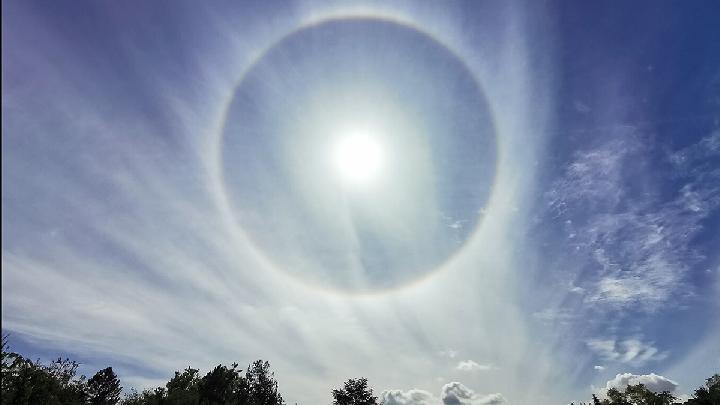
An ISS astronaut captured a rare lunar halo above the Indian Ocean, showing a thin glowing arc above Earth's blue edge.
The Longest Solar Eclipse in 100 Years: When and Where to See It
9 Desember 2025

On August 2, 2027, the longest solar eclipse in a century will darken skies across three continents. Here's when and where to see it.
Full Moon in December 2025: When to See Cold Supermoon in the U.S.
2 Desember 2025
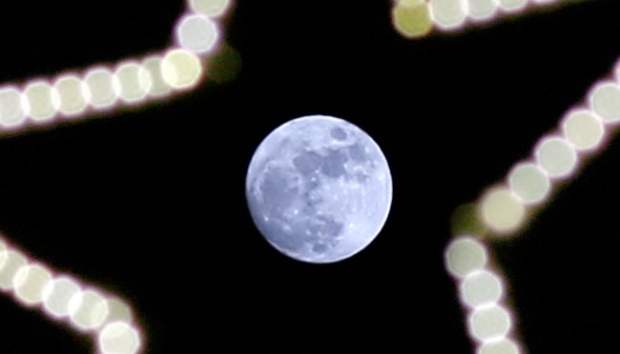
The full moon in December 2025, known as the Cold Moon, will rise on Dec. 4, marking the year's final supermoon and offering a spectacular display.
NASA Continues Preparations for Artemis II Mission to the Moon Amid US Federal Gov't Shutdown
3 November 2025

So far, NASA's crucial operation continues, but officials and contractors warn that its impact could soon be significant.