February 23, 2026 | 02:48 pm
TEMPO.CO, Jakarta - Research microplastics Ecoton has detected microplastics in feces, breast milk, urine, amniotic fluid, and in the blood of women. The infiltration of microplastics into the bloodstream is considered the most concerning threat to Indonesia's future health, as microplastics have the potential to settle in vital organs and cause cell damage.
"This is like a curse from our wastefulness of plastic waste, single-use plastic consumption, and improper disposal, ultimately leading to the plastic we discard finding its way back into our bodies, " said Ecoton researcher Sofi Azilan Aini in a written statement on Monday, February 23, 2026.
On the occasion of National Waste Care Day on February 21, she explained that Indonesia is currently the third largest contributor of plastic waste to the global ocean after India and Nigeria. Burning and dumping trash into rivers also leads to Indonesians consuming the most microplastics, about 15 grams per month.
Sofi emphasized that plastic should not be present in the human body, yet small plastic fragments have been found to penetrate deep into the womb. According to her, prevention measures include reducing the use of single-use plastic and avoiding direct contact with air that is now contaminated with microplastics.
"As Gen Z, we should be willing to avoid cosmetic products containing plastic scrubs, as microplastics can enter the body through breathing, the mouth, and the skin," she said, providing an example of prevention.
Microplastics in Blood
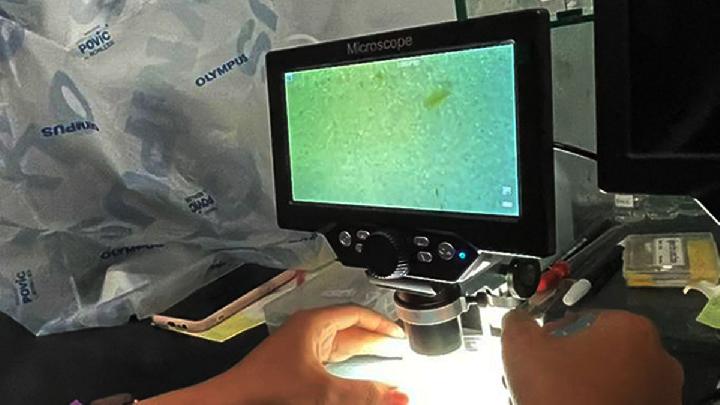
In collaboration with Airlangga University's Faculty of Medicine in Surabaya, Ecoton found that the blood of women in Gresik, East Java, is 100 percent contaminated with microplastics. The number of particles ranged from 2 to 18 particles/milliliter. All detected particles were confirmed to be larger than 0.45 micrometers. The types of microplastics found were fibers and fragments.
Polymer analysis of five samples revealed polyethylene (PE) in four and poly(n-butyl methacrylate) (PBMA) in one. PE is a polymer widely used in plastic packaging, while PBMA is commonly used in coatings, adhesives, and specific applications, including biomedical purposes.
Microplastics in Amniotic Fluid
Head of the Ecoton Microplastics Laboratory, Rafika Aprilianti, also revealed the results of tests on 42 amniotic fluid samples from mothers giving birth in Gresik, showing 100 percent microplastics. "The dominant polymer type is Polyethylene from plastic bottles, transparent plastic food containers, plastic bags, and plastic cups," she said.
Rafika explained that this means that microplastics have entered the safest place for humans: the womb. The findings from the collaboration between the Airlangga Faculty of Medicine and the Woonjin Institute are believed to impact the growth and development of babies.
"Because there is a correlation between the presence of microplastics and an increase in Malondialdehyde (MDA) values, an inflammation marker, the increased inflammation causes the growth and development of the baby," said Rafika.
Microplastics in the Brain
Based on collaborative research between Greenpeace and the Faculty of Medicine, University of Indonesia (FKUI) in March 2025, the presence of microplastics in human brain tissue has been revealed. Its existence is believed to potentially interfere with nerve function and gradually reduce cognitive abilities due to exposure to foreign particles and the toxic chemicals they carry.
This research refers to a study in the United States in 2024, which revealed the accumulation of microplastics (sized below 5 mm) and nanoplastics (1 to 1000 nanometers) in the human brain, with concentrations much higher, around 7 to 30 times, compared to the liver and kidney organs. The concentration of plastic in the 2024 brain samples was found to be 50 percent higher than in the 2016 samples.
Matthew Campen, a pharmaceutical science professor at the University of New Mexico, referred to this phenomenon as a reflection of increasingly extreme environmental accumulation. After all, global plastic production now exceeds 300 million tons per year, 2.5 million of which float in the oceans.
Read: Heavy Rainfall Across Indonesia: Jakarta's Weather Forecast Today
Click here to get the latest news updates from Tempo on Google News
How Rainfall Helps Naturally Clean Jakarta's Air Pollution
35 hari lalu
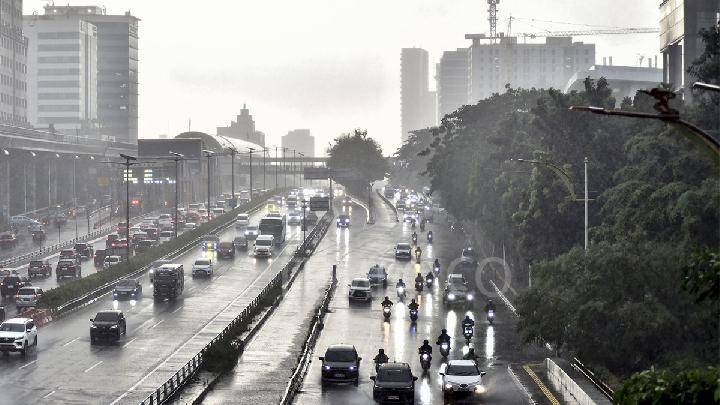
Heavy and continuous rain in January 2026 was found to be effective in reducing air pollution caused by microplastics.
Plant-Based Plastic Innovation: Leaves No Microplastics
23 Desember 2025
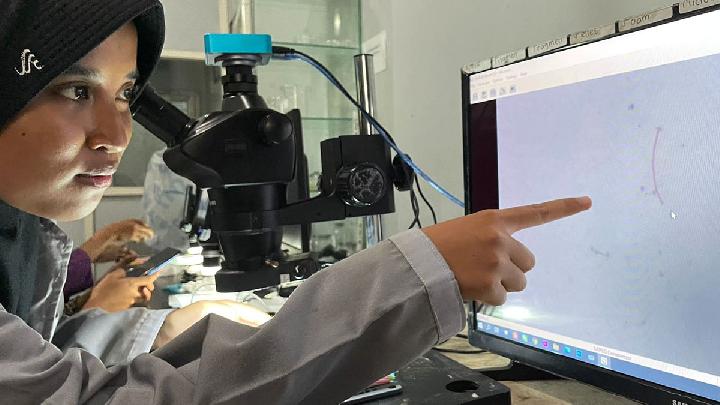
Japanese researchers have developed a plant-based plastic packaging material that easily decomposes in water without leaving microplastics.
Indonesia Uses IAEA NUTEC Program to Monitor Microplastics in Oceans
22 Desember 2025

BRIN joins international NUTEC initiative to standardize microplastic data and trace pollution over time
From Tea Bags to Table Lamps: Surabaya Student Innovates Eco-Friendly Home Dcor
10 Desember 2025
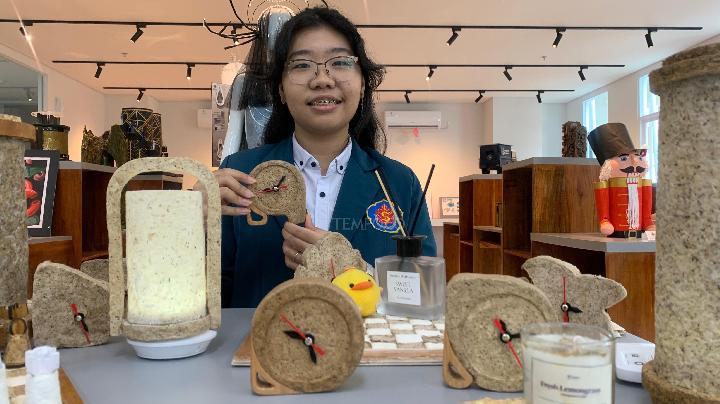
Jeanne Theresia Mintarja, a student at the University of Surabaya, creates home decorations from used tea bags in response to the concerns about microplastic content in tea bags.
Ecoton: Microplastics Contaminating Water Sources in Malang, Indonesia
6 November 2025
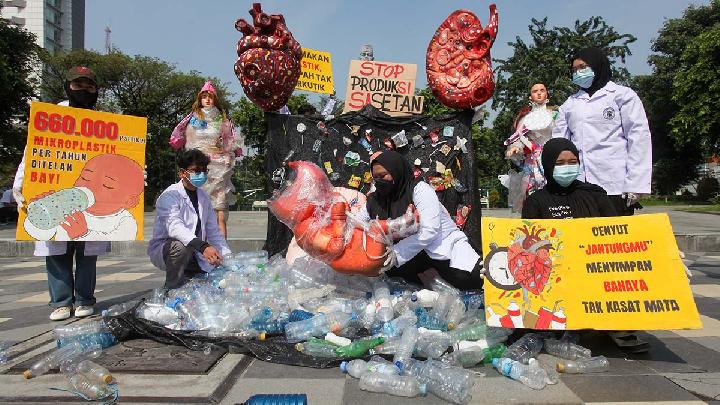
The result of study by Ecoton shows that 11 water samples in Malang, Indonesia, were contaminated with microplastics.
Australia Invests Rp13 Billion to Help Reduce Indonesia's Plastic Waste
29 Oktober 2025
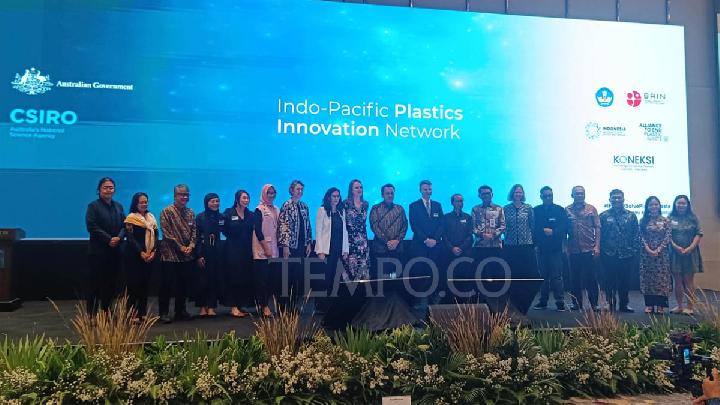
Australia, through the IPPIN program, has allocated approximately Rp13 billion for innovative plastic waste reduction in Indonesia.
Jakarta to Operate Rorotan RDF Facility to Combat Microplastic Pollution
24 Oktober 2025
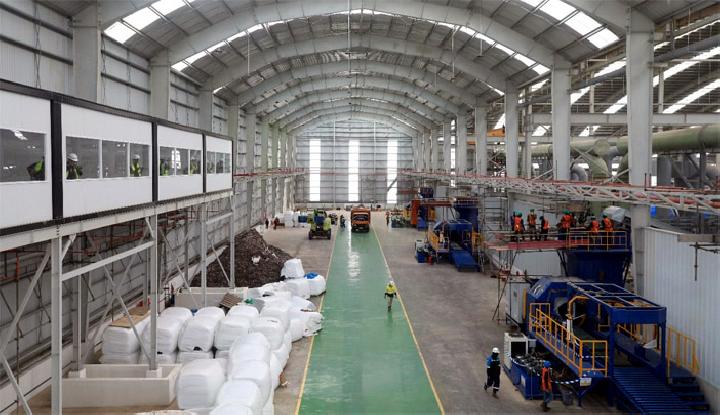
The RDF Rorotan waste processing facility in North Jakarta, which is expected to operate fully in November 2025, is believed to contribute to the reduction of microplastic pollution.
Today's Top 3 News: Union Calls on Prabowo to Issue Regulation Protecting Online Ojek Drivers
22 Oktober 2025

Here is the list of the top 3 news on Tempo English today.
Today's Top 3 News: Jakarta Responds to Microplastics Found in Rainwater
21 Oktober 2025

Here is the list of the top 3 news on Tempo English today.
Microplastics Detected in Rainwater Worldwide, Not Only in Jakarta
21 Oktober 2025
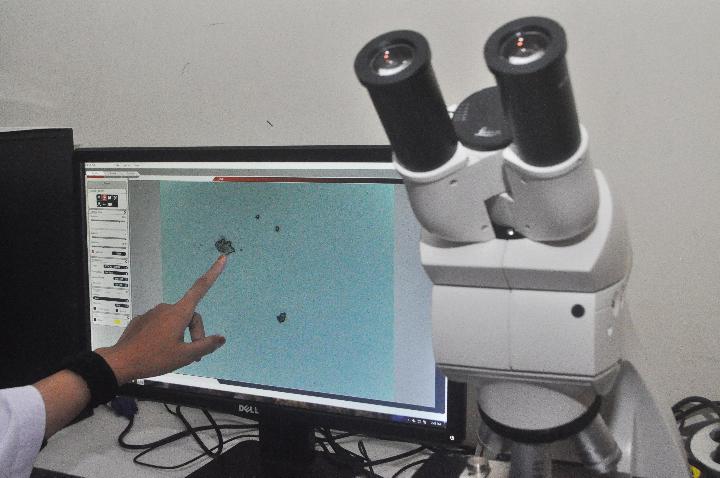
A study in China this year indicated that the concentration of microplastics was markedly higher in snow than in rainwater.