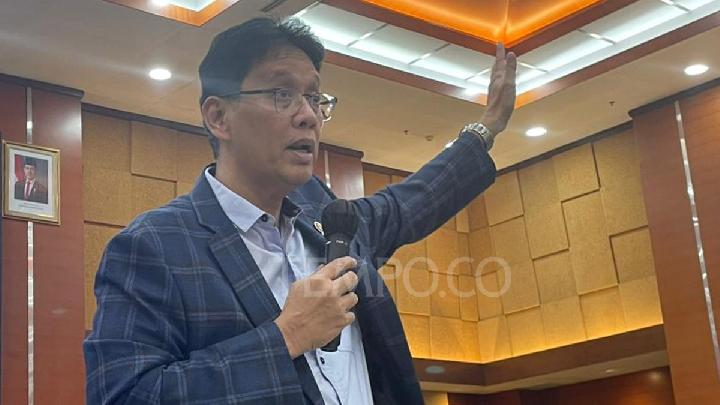
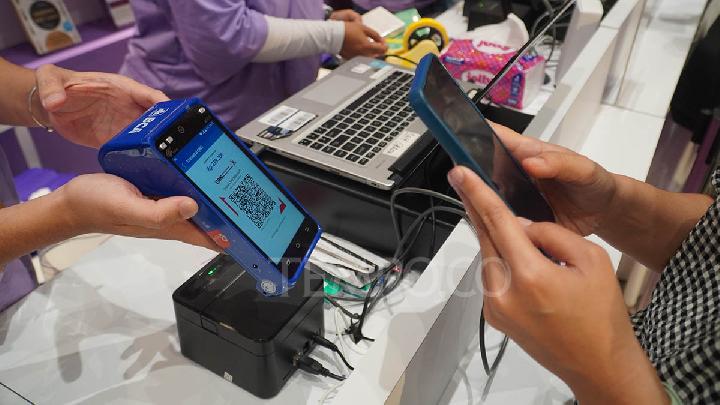
TEMPO.CO, Jakarta - Several weeks before Indonesia and the United States signed their reciprocal trade agreement, Bank Indonesia convened a meeting with representatives of the payment system industry. The discussion, held in late January 2026 at Building B of the central bank complex, brought together representatives from Visa and Mastercard—the two American payment network giants—as well as executives from the Indonesian Payment System Association (ASPI).
Two industry players familiar with the meeting said the discussion was led by Dicky Kartikoyono, Chief of Bank Indonesia's Payment System Policy Department. The forum focused on a range of payment system issues that had drawn the attention of the Office of the United States Trade Representative (USTR), from credit and debit card regulations to contactless payment standards, commonly known as tap-to-pay.
One issue highlighted by Visa and Mastercard was Indonesia's plan to expand the use of the National Payment Gateway (GPN) to credit cards. The system is currently widely used for debit cards. Extending GPN to credit cards raised concerns about eroding the market share long dominated by Visa and Mastercard.
Another issue involved a request that contactless payment schemes owned by international principals remain usable for domestic transactions. "They want a scheme similar to credit cards, so international service providers can continue operating in the domestic market," one source said.
Iran Says It Will 'Set Ablaze' Any Ship Trying to Pass Through Strait of Hormuz
23 jam lalu
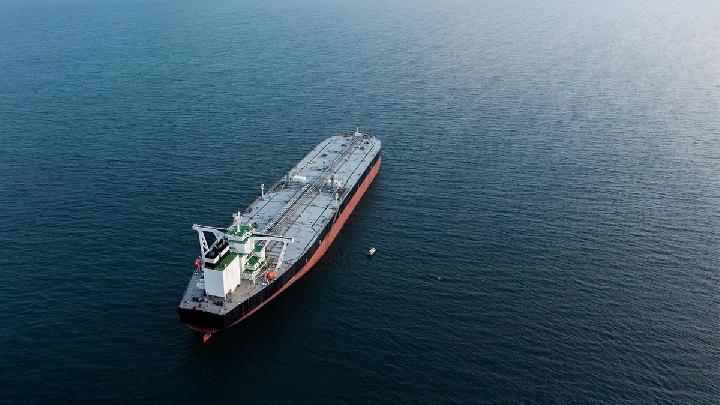
Nearly one-fifth of global oil consumption flows through the Strait of Hormuz each day, located between Iran and Oman.
UGM Academics: US Trade Deal Violates Constitution, Sovereignty
1 hari lalu
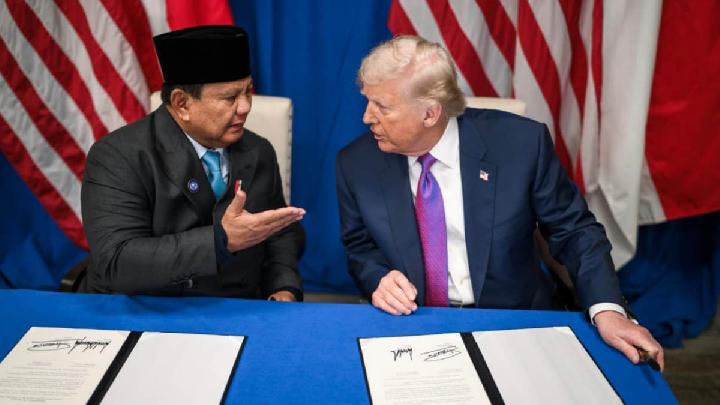
A group of UGM professors and academics expressed their concern about the bilateral trade agreement between the United States and Indonesia.
Indonesia Says 1,000-Ton Rice Imports from U.S. Limited to Specialty Varieties
1 hari lalu

Indonesia is planning to import specialty rice from the U.S. as part of its obligation under the reciprocal trade agreement.
Negotiating Without Courage
1 hari lalu
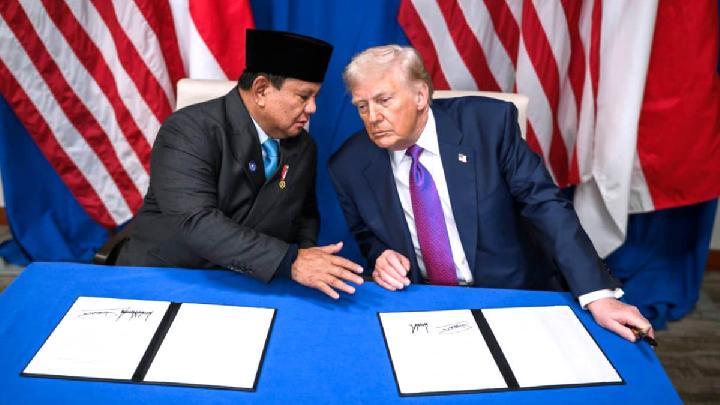
The trade agreement between Indonesia and the United States descended into disarray after a poor performance by the negotiating team.
Indonesia's Export-Import Flows with Hormuz Strait Nations Explained
1 hari lalu
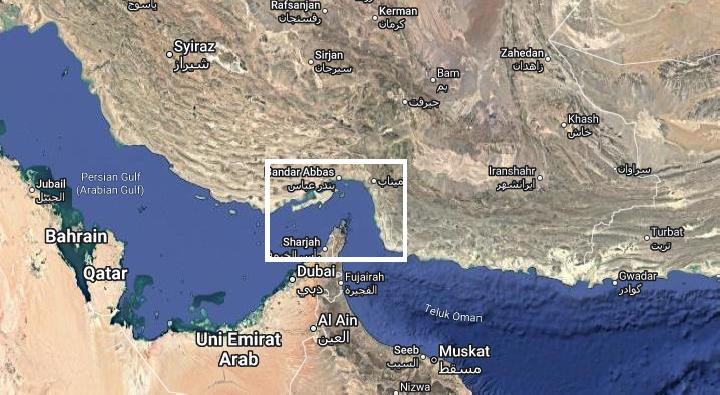
BPS stated that three of Indonesia's trading partners are located along the Strait of Hormuz route: Iran, Oman, and the United Arab Emirates.
How Indonesia and the United States Reached an Unequal Trade Deal
2 hari lalu
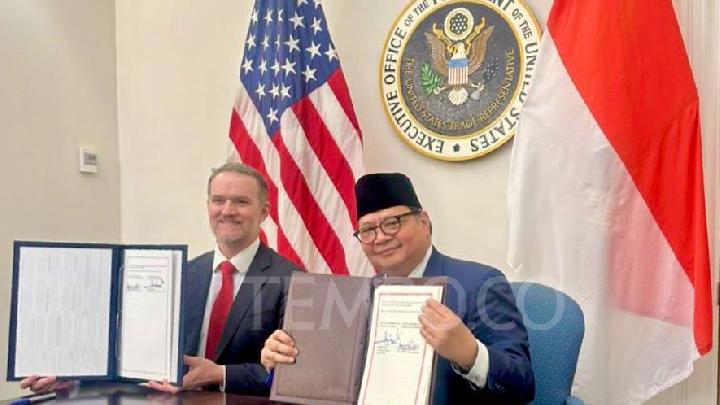
Indonesia's negotiating team, led by Coordinating Minister for the Economy Airlangga Hartarto, was overwhelmed during the trade negotiations.
Indonesia Posts Trade Surplus With Iran in 2025
3 hari lalu
Indonesia's total trade with Iran reached US$257.9 million in 2025.
Airlangga Says US Tariff on Indonesian Exports Now at 15 Percent
4 hari lalu
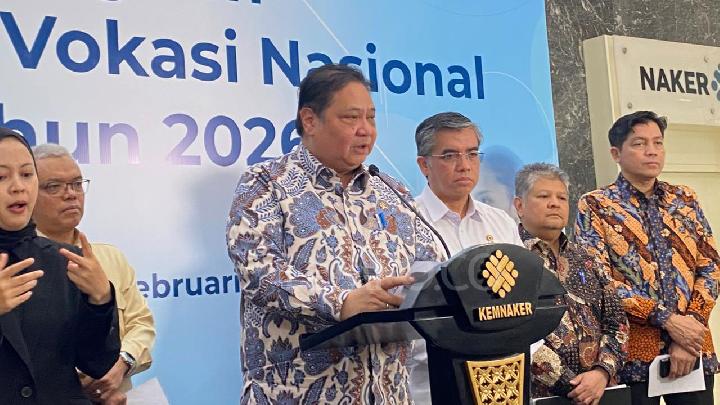
Minister Airlangga also guarantees that the zero percent tariff on certain export goods from Indonesia will still be in line with the initial deal.
Economist Says Indonesia Gains Little from US Reciprocal Trade Deal
4 hari lalu
According to CSIS, the US-Indonesia trade deal is less about cutting tariffs and more about advancing US commercial and security interests.
CSIS: US Zero-Percent Textile Tariff Carries Structural Risks
4 hari lalu
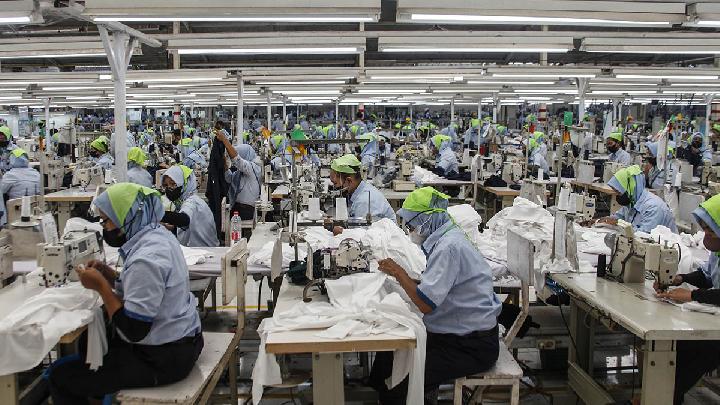
Under the agreement, textile duty-free quotas depend on US raw materials, which CSIS says could disrupt Indonesia's industry.