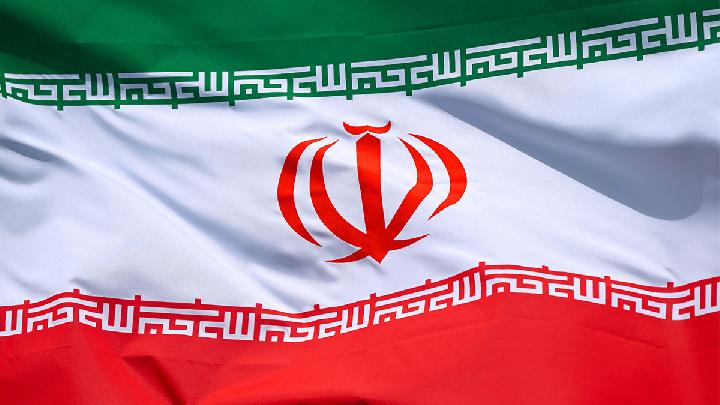
TEMPO.CO, Jakarta - Indirect talks between the United States and Iran in Oman concluded without major concessions from both parties, as reported by The Wall Street Journal (WSJ) as cited by Anadolu on late Friday.
Both parties did not meet face to face, instead, they held alternating discussions through Omani diplomats, with no party shifting their initial position during the discussions, according to sources familiar with the discussions cited by WSJ.
It is still unclear how the discussions affected broader efforts to achieve a diplomatic solution regarding Iran's nuclear program, as expectations were already low among officials and regional analysts leading up to the meeting, the report added.
Nevertheless, Iranian Foreign Minister Abbas Araghchi described the talks on Friday as a "good start." He stated that discussions could continue if the atmosphere of mistrust can be overcome. He said that it was agreed that the process would continue and both parties could meet again in Muscat at a later date.
Omani Foreign Minister Badr Albusaidi stated that the discussions were "very serious," helping to clarify both parties' positions and identify areas for possible progress.
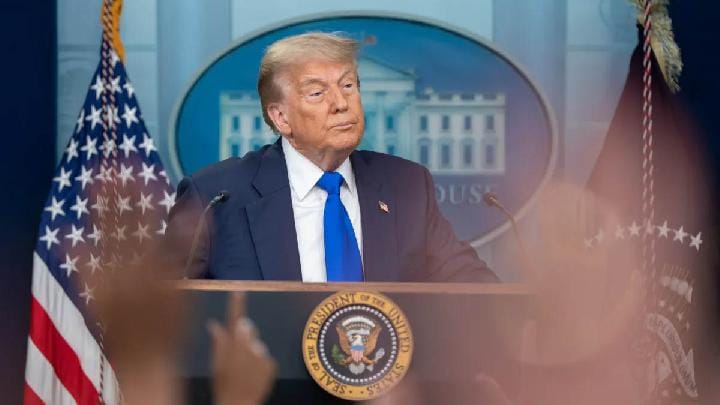
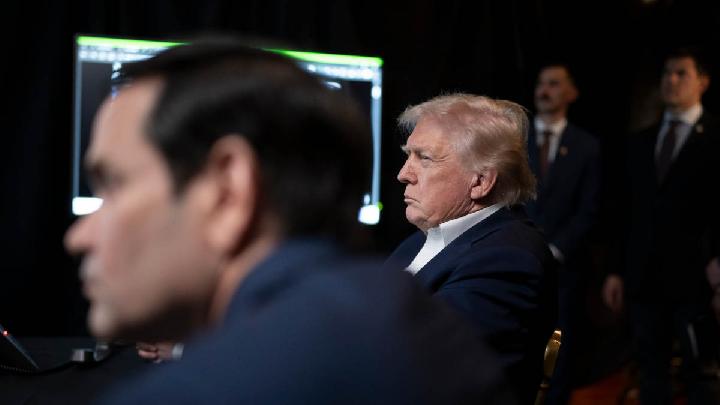
Iran and the US resumed indirect nuclear diplomacy on Friday after tensions escalated over the past few weeks, triggered by US President Donald Trump's threats of military action against the country.
Positive Atmosphere
Iran stated that they hope to have further negotiations with the United States, praising the "positive atmosphere" during a day of talks in Oman. However, they cautioned against threats after Washington raised the specter of new military action.
With a US-led naval group including an aircraft carrier in the waters of the Middle East, US and Iranian delegations held talks in Muscat mediated by the Gulf sultanate without meeting publicly in person.
Shortly after the talks concluded, the US announced new sanctions on entities and shipping vessels, aimed at curbing Iran's oil exports. However, it is unclear whether the move is related to the discussions.
The talks were the first between the two adversaries since the United States joined Israel's sudden attack on Iran in June with a strike on a nuclear site.
The talks also occurred less than a month after Iranian authorities allegedly cracked down on protests, resulting in thousands of deaths, according to a US-backed human rights group.
Abbas Araghchi, leading the Iranian delegation in Muscat, stated that the talks were "focused exclusively" on Iran's nuclear program, which the West alleges is aimed at producing atomic bombs, but Tehran insists the program is peaceful.
The US delegation, led by Middle East envoy Steve Witkoff and influential son-in-law of President Donald Trump, Jared Kushner, also sought Tehran's support for militant groups, its ballistic missile program, and its treatment of demonstrators on the agenda.
Kushner, not an official US government official, is known to have close ties to Israel and supports pro-Israel policies in the US.
According to the US news site Axios as cited by France24, the talks marked the first direct meeting between Witkoff, Kushner, and Araghchi, but there was no official confirmation from both sides.
"In a very positive atmosphere, our arguments were exchanged and the views of the other side were shared with us," Araghchi told Iranian state TV, adding that the two sides had "agreed to continue negotiations, but we will decide on the modalities and timing at a later date".
Speaking to the official IRNA news agency, he expressed hope that Washington would refrain from "threats and pressure" so that "the talks can continue."
There was no direct comment from the American delegation in Muscat.
As a symbol of the potential US military action, Admiral Brad Cooper, commander of the US Central Command, whose area of responsibility includes the Middle East, was present at the talks, according to images published by the Omani News Agency.
Several sessions of talks in the morning and afternoon had both parties shuttling to the residence of Omani Foreign Minister Badr Albusaidi, who said, "we aim to reconvene in due course."
The White House has clarified that they want the talks to curb Tehran's ability to make nuclear bombs, an ambition always denied by the Islamic republic.
'Maximum Pressure'
Initially, Trump threatened military action against Tehran over its harsh crackdown on protesters last month and even told the protesters "help is on its way."
Regional powers including Turkey, Saudi Arabia, and Qatar urged the United States not to interfere and called for Washington and Tehran to return to negotiations.
The US-based Human Rights Activists News Agency (HRANA) claimed that according to its latest tally, 6,495 protesters, along with 214 security forces and 61 civilians, were reported killed.
Nearly 51,000 people were also arrested, according to HRANA.
However, Trump's rhetoric in the past few days has focused on curbing Iran's nuclear program, and the US has deployed a naval group led by the USS Abraham Lincoln aircraft carrier to the region.
Iran has repeatedly vowed to retaliate against any attacks on US bases in the region if it is attacked.
The new sanctions to curb Iran's oil exports come alongside Trump's commitment to "driving down the Iranian regime's illicit oil and petrochemical exports under the administration's maximum pressure campaign," said State Department spokesperson Tommy Pigott in a statement.
Read: US, Iran to Hold Talks in Oman on Friday
Click here to get the latest news updates from Tempo on Google News