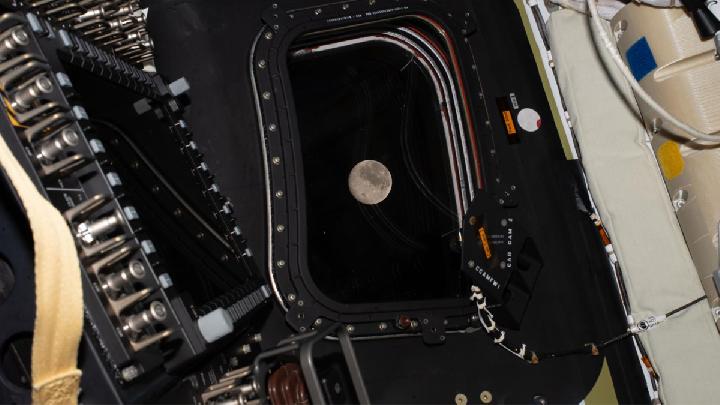
TEMPO.CO, Jakarta - February is the shortest month of the year and is shaping up to be the most exciting time for skywatchers worldwide. The February night sky events will feature a rare series of cosmic parades, from a dramatic "ring of fire" solar eclipse to an eye-catching six-planet parade.
These phenomena will be visible from various vantage points, such as Argentina and Chile for the solar eclipse and the Northern Hemisphere for the return of the Milky Way core.
List of The Night Sky Events in February 2026
To ensure you don’t miss these fleeting moments, we have compiled a chronological list of the most significant highlights of the month according to National Geographic. Here are the key dates you should mark on your calendar starting this week.
1. February 8 - Alpha Centaurid Meteor Shower Peaks
The night sky will gain its momentum on February 8 as the Alpha Centaur meteor shower reaches its peak, producing 6 meteors per hour. While the 63 percent moon illumination may cause some interference, observers can secure a good view after midnight by blocking the moonlight with a building or tree, according to StarWalk. This event is an "Australia-Friendly" shower, staying visible all night in the southern hemisphere, though those in South Florida or South Texas can also spot them low on the southern horizon before dawn.
2. February 17 - Ring Of Fire
A deep annular solar eclipse will occur on February 17, with the moon covering 96 percent of the sun, creating a "ring of fire." The full annular phase is extremely isolated, visible only in Antarctica and the Southern Ocean, including sites like Concordia and Mirny Station. Observers in the southern parts of South America and Africa will instead see a partial eclipse, where the sun appears partially covered. Given the intense remaining sunlight, certified eclipse glasses or indirect viewing methods are strictly required for any level of observation to avoid permanent eye damage.
3. February 18 - A Close Encounter Between the Moon and Mercury
Right after the solar eclipse, the night sky continues its activity as a very thin crescent moon moves close to Mercury. To catch this beautiful view, you’ll need a clear sight toward the western horizon shortly after sunset. This alignment will only be visible for an hour or two before both objects set below the horizon. In addition to Mercury, Venus and Saturn may also be spotted in the same area of the sky in the evening, according to National Geographic.
4. February 19 - Mercury Reaches Peak Visibility
As the series of sky events continues, Mercury reaches its greatest eastern elongation. A moment when the planet appears farthest from the sun in the sky, making it easier to spot in the evening sky. Shortly after sunset, the planet will be visible above the western horizon, setting around noon the next day.
5. February 19 - Moon Near Saturn
After Mercury takes center stage, the night sky offers another highlight as the moon approaches Saturn. A thin Crescent moon will appear close to the ringed planet, creating a subtle yet eye-catching pairing. The moon, illuminated at just six percent, can be observed with the naked eye or through binoculars. With a telescope, observers may also be able to catch Neptune nearby.
6. February 23 - Crescent Moon Meets the Pleiades
On February 23, the night sky offers another graceful pairing, as the crescent moon appears near the sparkling Pleiades star cluster. Both of the planets can be spotted high in the southwest after sunset. The moon and the cluster will move westward and will be visible for hours before setting later in the night. However, if you use a very large telescope or take a picture with a long exposure, you will see the blue nebulosity around the cluster.
7. February 28 - Planet Parade
Toward the end of February, the night sky will reach one of its most highly anticipated moments on February 28, when six planets will appear aligned across the evening horizon, as cited from StarWalk. This stunning display is best viewed about an hour after sunset. Venus, Mercury. Saturn and Jupiter will be visible to the naked eye, while Uranus and Neptune require binoculars or a telescope. Neptune will appear close to Saturn, and Jupiter will be visible farther to the east, about halfway up the sky. Lastly, Uranus will be positioned high in the southern sky, near the Pleiades star cluster.
Muhammad Raymizzaad Noor (Intern) contributed to this article
Read: Easy Ways to Watch the Feb. 17 Annular Solar Eclipse
Click here to get the latest news updates from Tempo on Google News