September 3, 2026 | 02:51 pm

TEMPO.CO, Jakarta - Statistics Indonesia (BPS) explained the discrepancy between Indonesia's poverty line figures, reported by the World Bank, and BPS's poverty data.
BPS Deputy for Social Statistics, M Nashrul Wajdi, in an official statement in Jakarta on Wednesday, September 2, 2026, as quoted by Antara, said that the figures provided by the World Bank were not calculated based on Indonesia's national poverty line.
BPS had initially planned to hold a press conference on Thursday, September 2, 2026, to discuss the discrepancy in poverty line figures, but the event was canceled.
In a written statement on Thursday, Head of the Bureau of General Affairs and Public Relations, Favten Ari Pujiastuti, explained that the cancellation was due to the need to consider the readiness of the World Bank's latest publication release and other technical coordination to ensure more comprehensive information was provided.
As is known, in its latest release, the World Bank mentioned that 64.2 percent of Indonesia's population lived below the poverty line. The figure originated from the April 2026 edition of the Macro Poverty Outlook and was a projection for 2026. It used a poverty line of US$8.30 per capita per day, based on Purchasing Power Parity (PPP) in 2021.
Meanwhile, the BPS recorded Indonesia's poverty rate in March 2026 at 8.07 percent, affecting around 22.93 million people. It emphasized that these two figures could not be directly compared, as they were compiled using different poverty standards and were intended for different purposes.
"The 64.2 percent figure is an estimate of Indonesia's population whose spending is below US$8.30 per capita per day according to the World Bank. The poverty line is calculated based on the standards set by the World Bank, not the national poverty line used in Indonesia. The value is determined based on poverty standards commonly used in upper-middle-income countries, especially for comparing conditions between countries," said Nashrul.
He explained that the World Bank used several international poverty lines to compare the welfare conditions between countries. In its latest update, the World Bank defined extreme poverty as living on less than US$3 per person per day, US$4.20 in lower-middle-income countries, and US$8.30 in upper-middle-income countries.
Furthermore, the US$8.30 figure was not calculated using the current market exchange rate between the rupiah and the US dollar, but rather using PPP, which considers differences in purchasing power between countries.
BPS noted that the poverty rate of 64.2 percent, calculated using the US$8.30 PPP standard in 2021, was based on the median poverty line of upper-middle-income countries rather than on the specific needs of Indonesian society.
By applying these global standards, Indonesia's poor population will appear higher. Furthermore, he mentioned that on June 13, 2025, the World Bank published a statement on its official website stating that the national poverty line and poverty statistics released by the BPS were better suited for decision-making and domestic policies in Indonesia.
Furthermore, BPS measured Indonesia's poverty with a basic needs or Cost of Basic Needs (CBN) approach. This measurement was based on the minimum expenditure to meet basic food and non-food needs. The food component is based on the consumption pattern of Indonesian households and refers to a minimum standard of 2,100 kilocalories per person per day. The non-food component includes the needs for housing, education, health care, clothing, and transportation.
BPS used the results of the National Socio-Economic Survey (Susenas) to calculate the poverty line. Susenas recorded society’s expenditure and consumption patterns. The survey is conducted twice a year, allowing BPS's poverty line to reflect the real needs of Indonesian society.
In March 2026, BPS recorded the percentage of Indonesia's poor population at 8.07 percent, or 22.93 million people. The figure was calculated based on the national poverty line, taking into account differences in people's needs in each province, district, and city. These differences include price levels, consumption patterns, and the average number of people in a poor household.
On average nationally, the household poverty line was recorded at Rp3,091,866 per month.
Read: Controversy over Deciles: DPR Demands BPS Update Data
Click here to get the latest news updates from Tempo on Google News
Yogyakarta Protests Changes in BPS Welfare Data
13 hari lalu
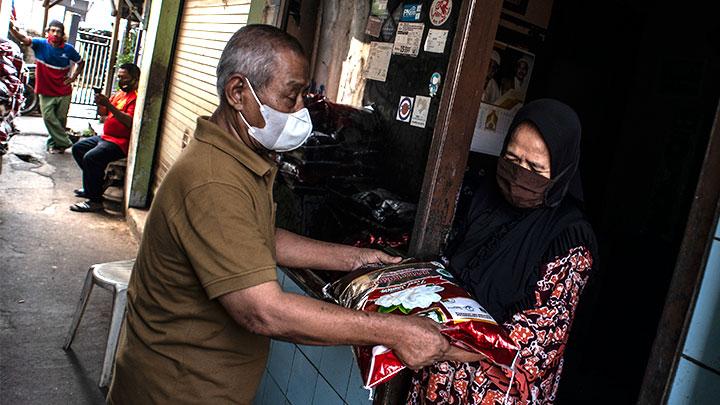
The Yogyakarta government has received complaints from residents who suddenly lost their aid eligibility after a shift in their BPS decile status.
Prabowo Reveals Challenges Faced During His First 21 Months in Office
44 hari lalu

Prabowo brought up one of the main issues related to the substantial loss of state wealth each year.
Conflict, Climate, No Cash: Why Poverty Persists
50 hari lalu

With just under five years left to complete the UN's Sustainable Development Goals, a new report shows what's hampering progress.
Consumer Forum Slams Indonesian Lawmaker's Proposal for Cheaper Cigarettes
18 Juni 2026
Andi Yuliani Paris, a House member from the PAN faction, submitted the proposal for cheap cigarettes for the middle class.
Indonesia Looks to China for Poverty Reduction Efforts
28 Mei 2026

Indonesia wants to learn from China in poverty alleviation program implementation, as China declared complete victory over extreme poverty in 2021.
Indians Growing Anxious as Modi Asks Them to Cut on Fuel
13 Mei 2026

With energy prices rising, PM Narendra Modi has urged Indians to embrace voluntary austerity to protect the economy from the fallout of the Iran war.
Indonesia Records Decrease in Extreme Poverty
27 April 2026
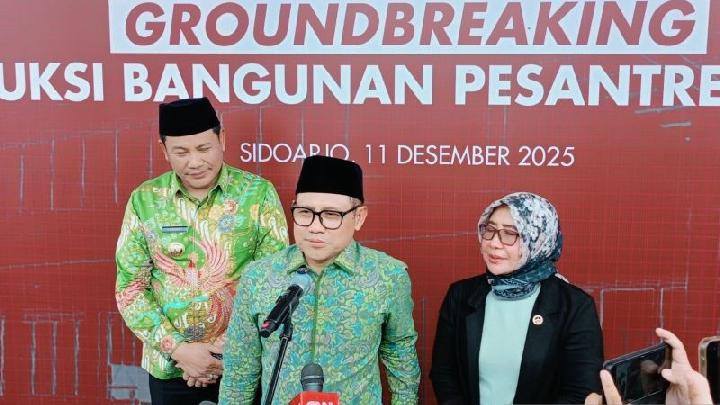
Minister Muhaimin Iskandar claims that about 0.48 percent of the population living in extreme poverty has moved up the ladder.
BPS: Yogyakarta Records Highest Economic Growth in Java
6 Februari 2026
BPS reported that the Special Region of Yogyakarta (DIY) achieved the highest economic growth on Java Island by the end of 2025.
Palace Calls People's School an "Out-of-the-Box" Way to Tackle Poverty
14 Januari 2026
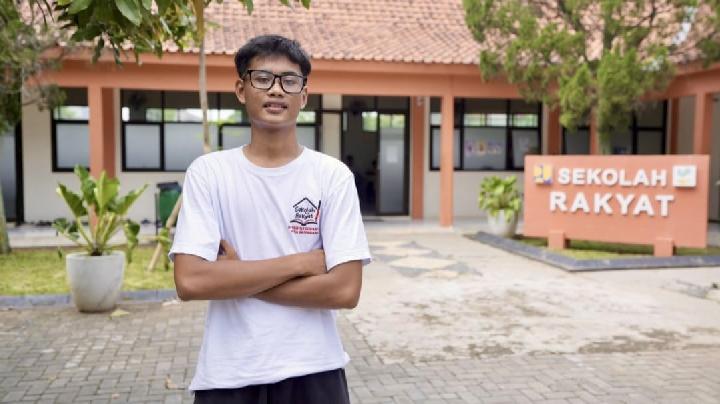
Since July 2025, President Prabowo Subianto has initiated the People's School, which is intended for students from the neediest families.
Prabowo Targets Building 500 People's Schools in Indonesia by 2029
13 Januari 2026
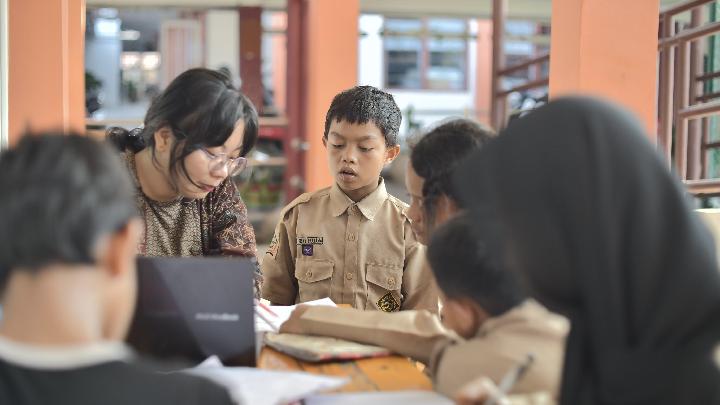
President Prabowo Subianto targets 500 people's schools nationwide by 2029 to expand education access and reduce extreme poverty.