TEMPO.CO, Jakarta – Indonesia’s government operates tens of thousands of digital applications that remain disconnected from one another, raising concerns about data fragmentation and policy inefficiency.
The Ministry of Communication and Digital recorded as of January 2026 that around 27,000 standalone applications are in use across ministries and agencies at both central and regional levels.
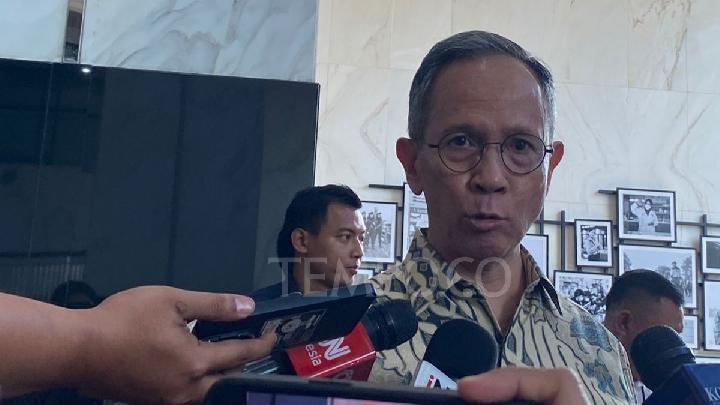
“This is a concerning fact about the sheer number of government applications that operate independently and are not integrated,” said Dyah Mutiarin, Professor of Digital Government Transformation at Muhammadiyah University of Yogyakarta, during the "Smart Data Forum: Strengthening Data Interoperability" on Friday, February 20, 2026.
Dyah described the situation as an anomaly amid the government’s push for digital transformation. With such a vast number of applications, she said, it is difficult to ensure consistent data recording, usability, clear user segmentation, and system connectivity.
She warned that the fragmented ecosystem could lead to serious issues, including inconsistent data standards and entrenched sectoral silos among government bodies.
Interoperability, or the ability of systems to exchange and use data accurately, has become essential for evidence-based policymaking, she said.
“If data is not interconnected, policy analysis will be slow, imprecise, and at high risk of producing inaccurate decisions for the public,” Dyah noted.
She stressed that strengthening interoperability is not merely a technological challenge, but also a matter of governance, regulation, and institutional capacity. According to her, Indonesia must shift from reactive governance toward predictive governance that anticipates public needs through integrated data use.
“Digital government is moving toward data-driven governance. Instead of being reactive, the government must become predictive,” she said.
Ideally, Dyah added, the government should be able to anticipate societal needs before formal requests are made. She proposed developing predictive data policy models that use integrated, high-quality data to project key issues five to ten years ahead.
She also called on the government to map interoperability needs across agencies, particularly at the regional level. This includes reviewing which types of data are suitable for shared databases, strengthening system connectivity, and integrating analytical tools and artificial intelligence into government data platforms.
The findings from such mapping, she said, could serve as a foundation for developing intelligent data governance models.
With an integrated system, Dyah concluded, the government would be better positioned to formulate more effective and efficient public policies backed by accurate data, ultimately improving the quality of public services.
Read: Elon Musk Hails Grok While Slamming Other Chatbots
Click here to get the latest news updates from Tempo on Google New