April 25, 2026 | 06:22 pm
TEMPO.CO, Jakarta - The cost of the United States military operation against Iran has reached an estimated US$61 billion (around Rp1,000 trillion), according to the real-time “Iran War Cost Tracker” cited by Sputnik and reported by Antara on Friday, April 24, 2026.
The tracker compiles ongoing estimates of spending on deployed personnel, naval assets, and other operational expenses. Its calculations are based in part on Pentagon reports to the US Congress, which indicated that the first six days of the operation alone cost US$11.3 billion (approximately Rp194 trillion). Including broader expenditures, daily costs are estimated at around US$1 billion.
Heavy Use of High-Cost Munitions
Since the conflict began in late February 2026, the US military has used large quantities of advanced weaponry. Reports indicate that around 1,100 stealth cruise missiles have been deployed—many originally intended for potential conflict scenarios with China—bringing inventories close to depletion.
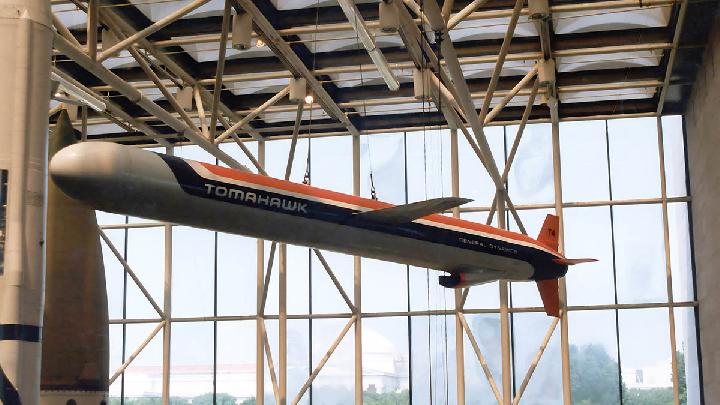
More than 1,000 Tomahawk cruise missiles have been launched, roughly 10 times the US annual procurement level. The Pentagon has also used over 1,200 Patriot interceptor missiles, each costing more than US$4 million.
In addition, more than 1,000 land-based missile systems, including Precision Strike and ATACMS missiles, have reportedly been used, significantly reducing stockpiles.
The scale of munitions use has led the Pentagon to redirect weapons from commands in Asia and Europe to the Middle East, raising concerns about reduced readiness in other regions, particularly in relation to potential threats from Russia and China.
Rising Costs and Supply Concerns
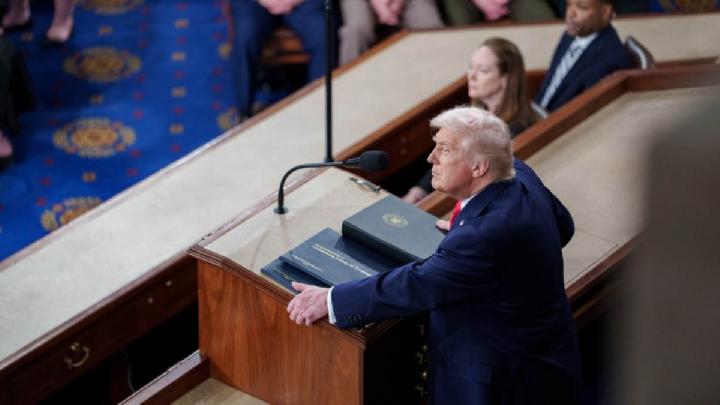
Officials from the administration of Donald Trump and members of Congress have acknowledged the need to boost production to replenish depleted inventories.
The conflict has also highlighted the Pentagon’s reliance on expensive precision weapons, especially air defense interceptors. Defense officials are increasingly concerned about whether the industry can produce more cost-effective systems, including attack drones, at a faster pace.
The US Department of Defense has not released a full breakdown of ammunition usage during the 38 days of fighting before a ceasefire took effect two weeks ago. While the Pentagon said it struck more than 13,000 targets, officials noted that this figure likely understates the number of munitions used, as many targets were hit multiple times.
White House officials have declined to provide an official total cost of the war. However, independent estimates place total spending between US$28 billion and US$35 billion, or close to US$1 billion per day. In the first two days alone, lawmakers were told that US$5.6 billion worth of munitions had been used.
Escalation and Ceasefire Developments
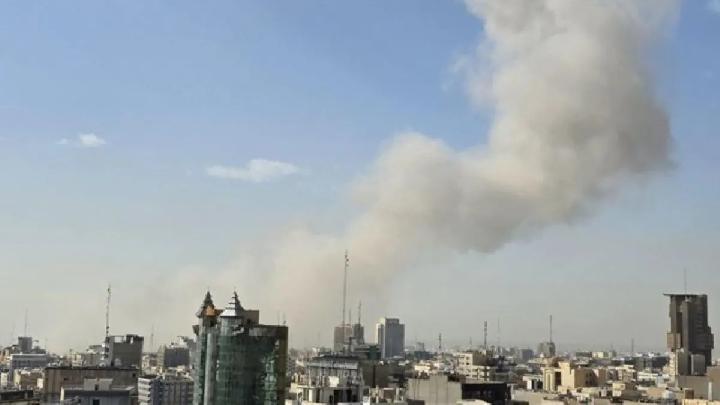
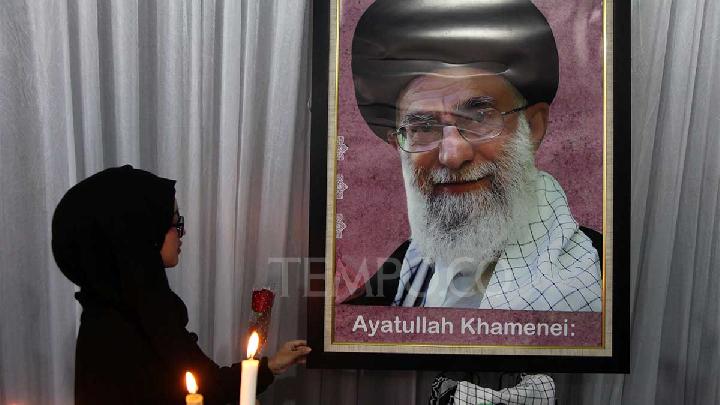
On February 28, 2026, the United States and Israel launched a joint attack on targets in Iran, causing infrastructure damage and casualties, including among senior figures such as Supreme Leader Ali Khamenei.
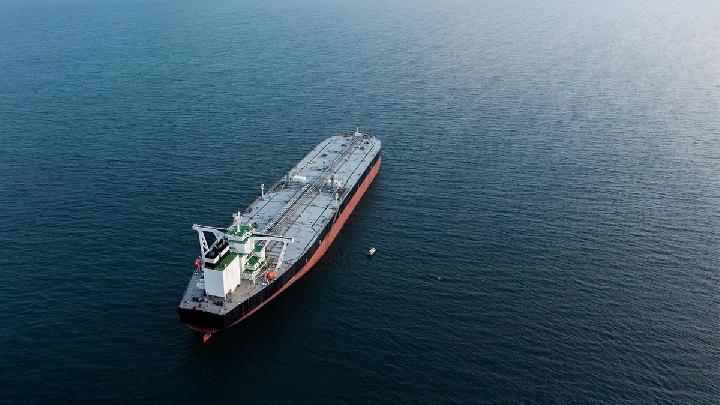
In the aftermath, Tehran maintained control over the Strait of Hormuz, while the US imposed a naval blockade on April 13, affecting global energy supplies, particularly in Asia.
On April 7, Washington and Tehran announced a two-week ceasefire. Follow-up negotiations in Islamabad, Pakistan, ended without agreement, though no formal resumption of hostilities has been declared. The US has continued its blockade of Iranian ports.
On April 21, Trump said the ceasefire would be extended while the blockade remained in place. He added the following day that potential peace talks with Iran could take place within 36 to 72 hours.
Read: Netanyahu Discloses Early-Stage Prostate Cancer Treatment
Click here to get the latest news updates from Tempo on Google News
Netanyahu Discloses Early-Stage Prostate Cancer Treatment
5 jam lalu
Israeli Prime Minister Benjamin Netanyahu said he successfully underwent treatment for early-stage prostate cancer and delayed the announcement.
Fact Check: Video Claiming US Troops Captured by Iran Is Fake
7 jam lalu
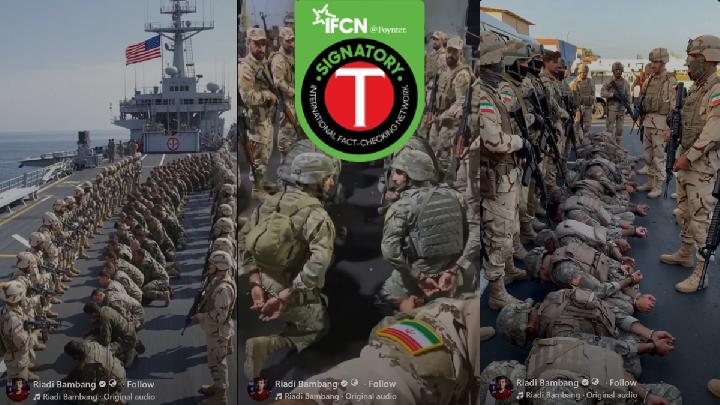
Tempo's fact-check team found that the photo compilation was created by AI.
Iran Exempts Russia from Strait of Hormuz Transit Fees
1 hari lalu
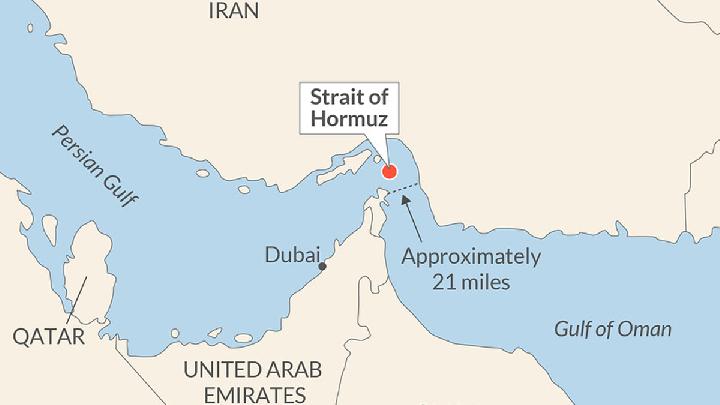
Iran grants Russia and other "friendly" nations exemptions from new transit fees in the Strait of Hormuz as the strategic waterway remains closed.
Trump Says No Nuclear Weapons to Be Used Against Iran
1 hari lalu
President Donald Trump clarifies his stance on nuclear weapons against Iran, stating they should "never be used."
Italy Slams 'Shameful' US Proposal to Replace Iran at World Cup
1 hari lalu
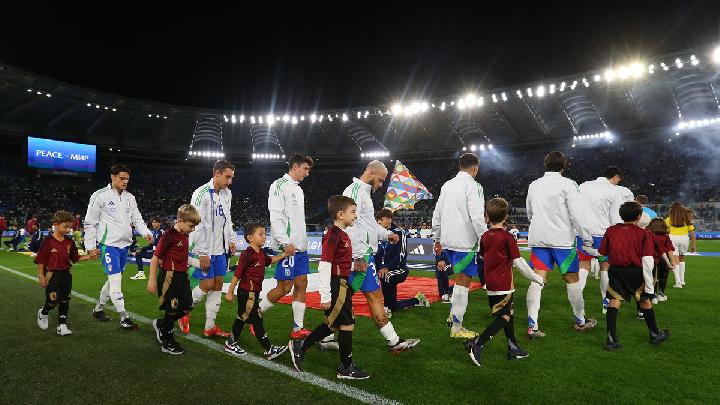
Italy rejects the United States President's special envoy's request to replace Iran in the 2026 World Cup.
Fact Check: Truth About Pertamina's Stalled Tankers in Strait of Hormuz
1 hari lalu

Two Pertamina oil tankers remain stalled in the Arabian Gulf.
Ceasefire Extended: What's Next in the Iran War?
1 hari lalu
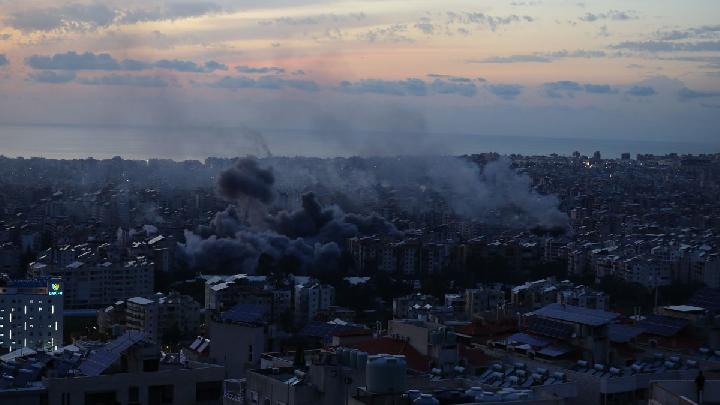
With no fixed ceasefire deadline for now, the US and Iran are looking for ways to safeguard their own interests.
Iran: Daily Life Shadowed by War, Scarcity and Fear
1 hari lalu
The US naval blockade aims to pressure the Iranian regime, but ordinary Iranians bear the impact, with many facing growing exhaustion.
Japan Seeks to De-Escalate Tensions in the Middle East
1 hari lalu

Japan explains several of its efforts to ease tensions in the Middle East, from meeting with Trump to contacting the Iranian Foreign Minister.
Reza Pahlavi Calls for Regime Change in Iran on Berlin Visit
2 hari lalu
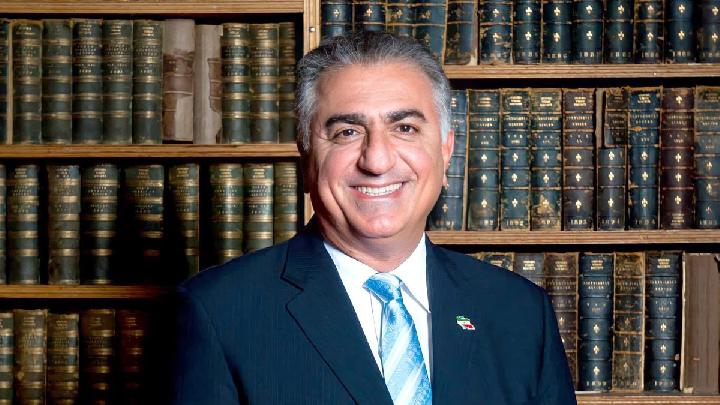
Former Shah's son in Germany promotes his campaign to overthrow Iran's leadership, calling German refusal to meet him "a disgrace."