February 5, 2026 | 06:53 pm

TEMPO.CO, Jakarta - A recent study from Ohio State University revealed that bottled drinking water contains more nanoplastic particles than processed tap water. Research estimates that nanoplastic particles in bottled drinking water are three times higher.
These findings contradict the common perception that bottled water is a cleaner and safer option from plastic particle contamination. Microplastics have long been a concern, but nanoplastics are considered to be an even greater concern due to their much smaller size and difficulty of detection.
"While we don’t really fully understand the human health risks associated with nanoplastic exposure, it’s still better to try and mitigate that risk," said study author Megan Hart, quoted from Earth on Tuesday, February 3, 2026.
Scientists used a combination of high-resolution imaging techniques and chemical identification to check nanoplastic contamination. Advanced methods such as electron microscope scanning and optical infrared photothermal spectroscopy allowed them to identify these super small particles.
Regarding the source of contamination, the study found that the most common type of plastic found in bottled water comes from the packaging itself. This is consistent with the suspicion that these particles leach from the bottle or bottle cap during the bottling and product handling processes.
Megan Hart suggested that the public should start making wise choices to reduce exposure to these harmful chemicals. "For the average person who is thirsty and wants a drink, the best way to do that would be drinking it straight out of the tap rather than grabbing pre-bottled water," said the PhD student at Ohio State University.
The study, also published in the journal Science of the Total Environment, is expected to lead to improvements in the design of future water treatment systems. John Lenhart, another author in this study, added that a deep understanding of the composition of materials in water is essential for making better design decisions for environmental remediation.
"By understanding the basic composition of the materials in water and the reactions important for controlling that composition, we can make better design decisions for future treatment or for remediation," said John Lenhart.
Read: Why the Nipah Virus Is Dangerous Despite Few Cases
Click here to get the latest news updates from Tempo on Google News
Jakarta Governor Says Batu Licin Reservoir Effective in Flood Control
23 hari lalu
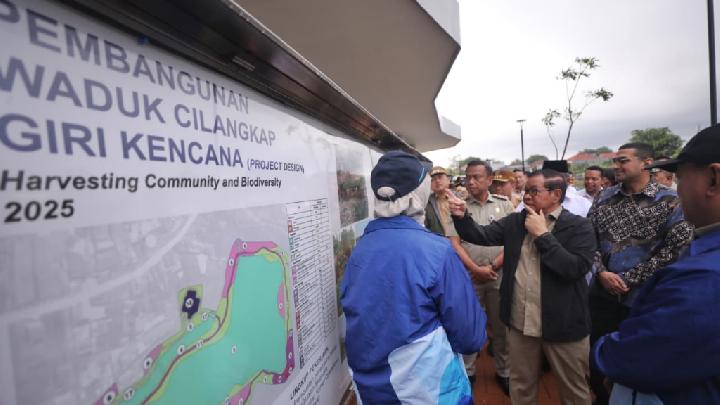
Besides functioning as flood control infrastructure, the Batu Licin reservoir is developed as a public space.
Study Finds Airplane Drinking Water Often Unsafe
24 hari lalu

A study reveals that the quality of water on commercial aircraft is contaminated with bacteria and does not meet health standards
Indonesian Police Target 100 Water Wells for Flood-Hit Aceh Tamiang
39 hari lalu
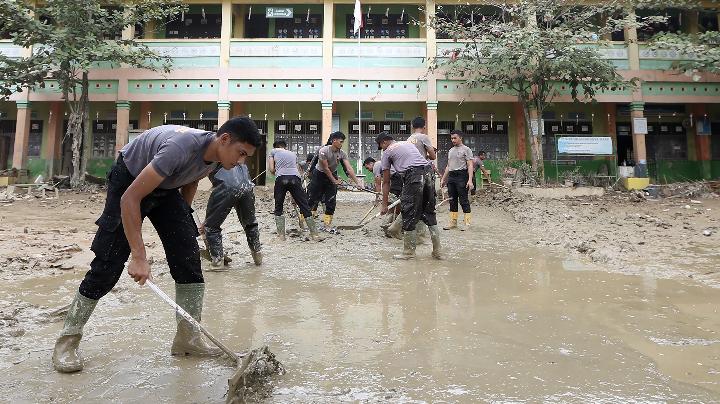
The Indonesian National Police (Polri) targets to build one hundred water wells in Aceh Tamiang Regency.
Tropical Cyclone Grant Impacts Western Indonesia
43 hari lalu
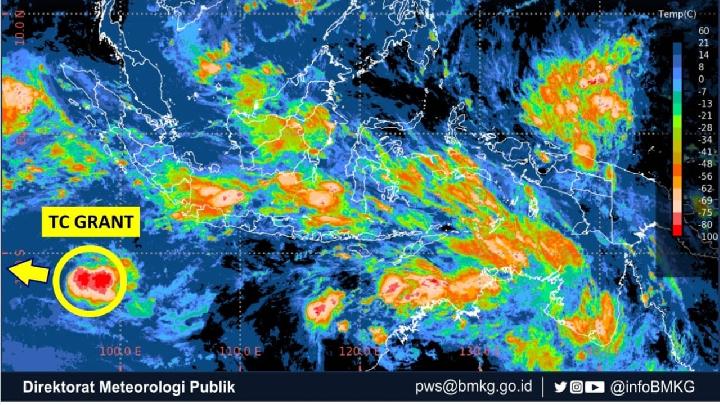
BMKG states that Tropical Cyclone Grant is currently located in the waters of the Indonesian Ocean, specifically southwest of Bengkulu at a distance of 1,030 kilometers.
Iranian President Addresses Water Crisis Across Country as Reservoirs Dry Up
43 hari lalu

President of Iran, Masoud Pezeshkian, admitted on Tuesday that the water supply situation in all provinces in the country is critical.
IPB University Study: Why Jakarta's Rivers and Lakes Are Heavily Polluted
55 hari lalu
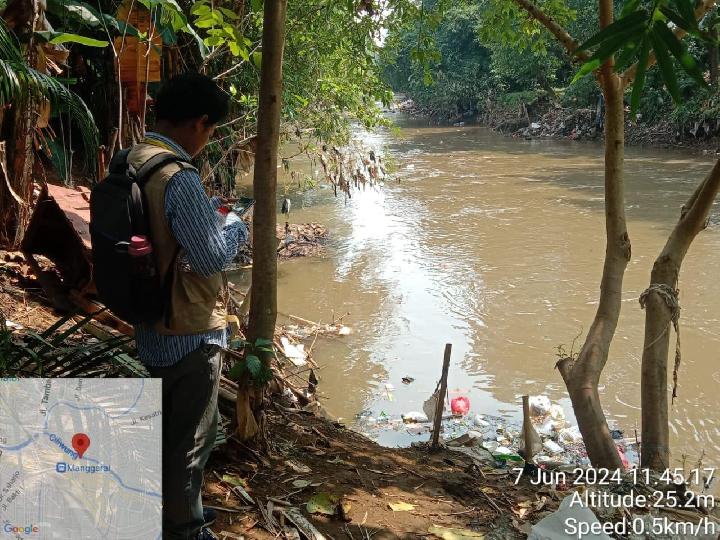
Water quality parameters in rivers and reservoirs do not meet the standard. Household wastewater is also not well managed.
How Decades of Afforestation Have Reshaped China's Natural Water Distribution
58 hari lalu

China is known to have been running a greening program through the Great Green Wall project, which began in 1978.
'We Wash with Flood Water': Clean Water Scarcity Hits Aceh Flood Survivors
4 Desember 2025
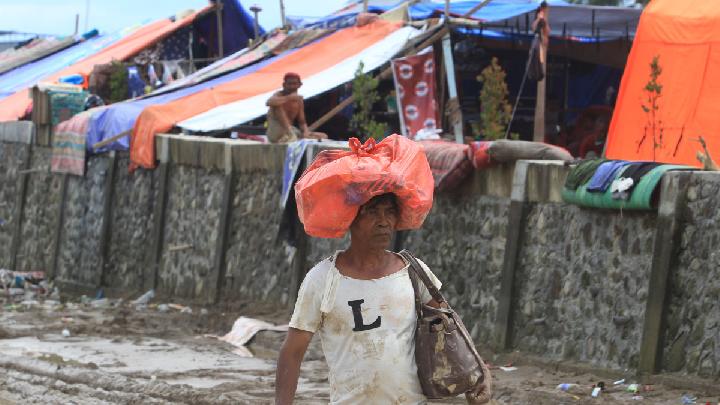
The recent flood has made it difficult for the residents of Aceh to access clean water.
Red Cross Projects Rp60 Billion in Recovery Costs After Sumatra Floods
1 Desember 2025
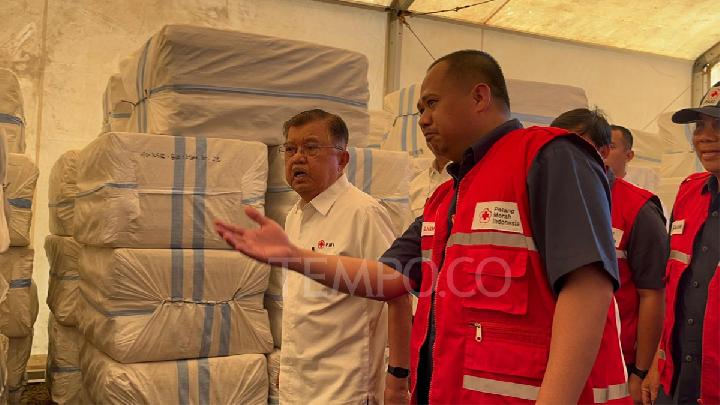
Indonesian Red Cross Chair Jusuf Kalla predicts that each region will need at least Rp20 billion for post-flood recovery in Sumatra.
Ecoton: Microplastics Contaminating Water Sources in Malang, Indonesia
6 November 2025
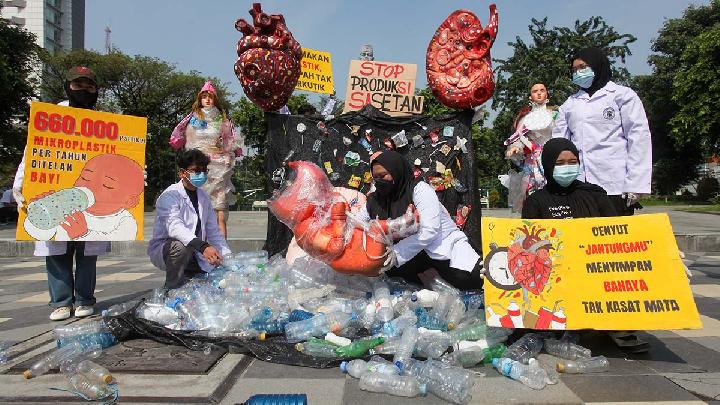
The result of study by Ecoton shows that 11 water samples in Malang, Indonesia, were contaminated with microplastics.