February 6, 2026 | 04:27 pm
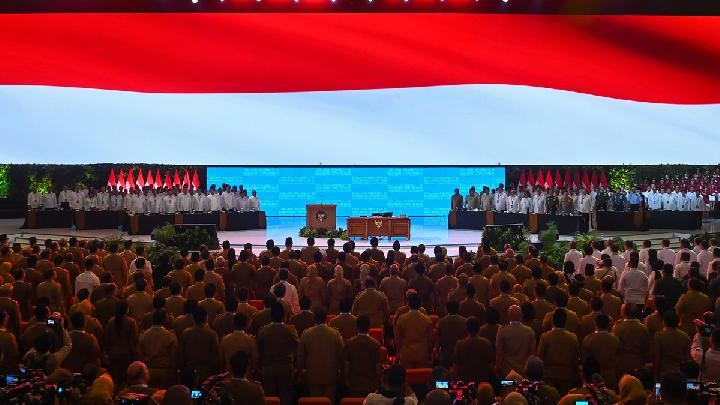
The government is planning a balanced State Budget. This could trigger huge new debts.
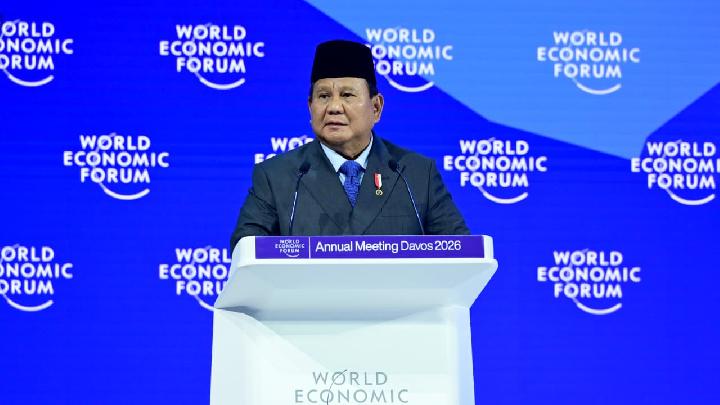
PRESIDENT Prabowo Subianto is paying extra close attention to state debt. When he was still in opposition, he was a vocal critic of President Joko Widodo’s debt policy. Prabowo repeatedly said that the mountain of debt meant that Indonesia was being dictated by foreign interests and that its assets were leaking overseas.
Now, more than a year after Prabowo became president, Indonesia is still unable to escape from debt. The total is estimated at around Rp9,600 trillion. This is Rp1,000 trillion higher than when Prabowo replaced Jokowi in October 2024.
In the future, it seems that the government will find it increasingly difficult to free itself of debt. The 2025 State Budget deficit was Rp695.1 trillion. This is equivalent to 2.92 percent of gross domestic product—exceeding the deficit target of 2.78 percent—and almost reaching the maximum 3 percent level laid down in the State Finance Law. In the 2026 State Budget, with revenues targeted at Rp3,153.6 trillion and spending at Rp3,842.7 trillion, the deficit will reach Rp689.1 trillion, or 2.68 percent of GDP.
With a shrinking tax revenue base, it will be difficult to achieve this target. A number of economists predict that the 2026 budget deficit will reach 3.5 percent of GDP because many of Prabowo’s programs are hugely expensive, such as the free nutritious meal program which costs Rp1 trillion per day. Meanwhile, other revenue sources such as budget surpluses are shrinking.
So, the way to increase income is to take out new debts. In the first quarter of 2026, the financing target is Rp220 trillion. As of the middle of last month, around Rp45 trillion had been withdrawn in the form of global bonds. And recently the ORI029 retail government bonds were issued with a target of Rp25 trillion. This does not include the weekly auctions of state bonds.
The problem is that these huge debts are not being used productively, because the state is currently experiencing a primary deficit, meaning that revenues are less then expenditure excluding the interest on the debt. This means that state debts are being paid with other debts. This is exactly like the song by Rhoma Irama, Gali Lobang Tutup Lobang (Dig a Hole to Fill a Hole). The total is Rp180 trillion.
In the midst of all this, the idea of implementing a balanced budget has emerged. The way that the budget is recorded would change so that debt would become “financing income” and be included under revenues. This method, known as the T-account, was applied in the New Order era, which recorded overseas loans as “development income.” On paper, the deficit was not visible and the budget was balanced.
Prabowo himself dreams of a budget with no deficit in 2027 or 2028. This wish could be achieved through reductions in expenditure and increases in revenues. However, it will be impossible to achieve his promised 8 percent economic growth target because of reduced stimulus expenditure.
If Prabowo’s wish for zero budget deficit is achieved through the T-account by changing the terminology of “debt” into “revenue,” this would create a fiscal illusion. The government, and the public, would feel that everything was fine and would forget about efforts to improve the economy, such as tax optimization and bureaucratic efficiency. In the end, debts would continue to soar and become a fiscal burden for our grandchildren. Another risk is volatility of interest rates or the exchange rate, while Indonesia would lose face in global markets.
Somebody needs to tell President Prabowo about the risks of debt management. Finance Minister Purbaya Yudhi Sadewa, who is also the state treasurer, could be the person to do this.
Indonesia's Purbaya Mulls Reallocating Unspent Free Nutritious Meal Budget
7 jam lalu
This year, the government earmarked Rp335 trillion for the free nutritious meal program.
US Government Enters Partial Shutdown
5 hari lalu
Funding for around three-quarters of federal operations has been affected after Congress failed to approve a 2026 budget.
Indonesia Flounders Every Time Disaster Strikes, Lawmaker Warns
9 hari lalu
A lawmaker highlighted the ongoing issues with disaster handling in Indonesia.
Prabowo Calls for Accountability, Oversight of Military Funds
10 hari lalu
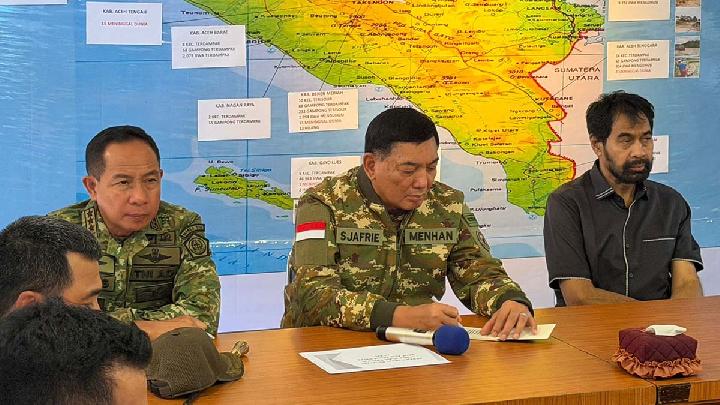
President Prabowo has called for TNI to crack down on personnel conducting budget misappropriation.
Indonesian Economists Raises Concerns on State Budget Misallocation
16 hari lalu
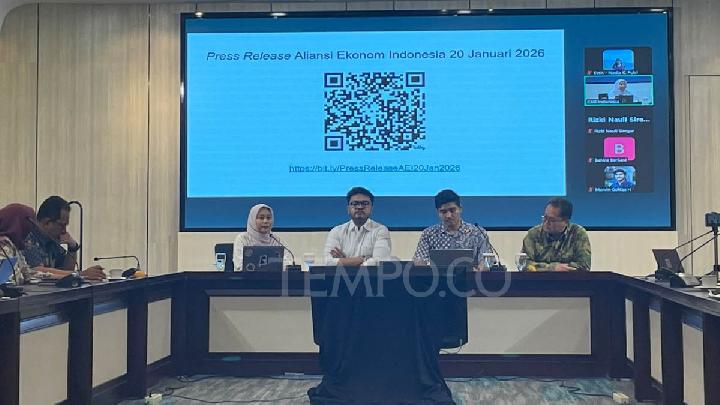
The Indonesian Economists Alliance underscores the fragility and risks of state budget expenditure.
Kadin Indonesia Urges Review of Regional Transfer Cuts
20 hari lalu
Kadin urges the central government to involve regions to ensure that they continue to benefit from the policy-making process.
Today's Top 3 News: Intimidation Acts Targeting Activists, Budget Deficit
22 hari lalu
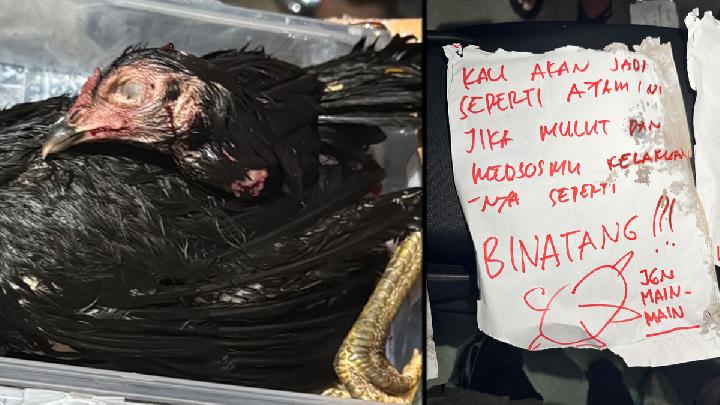
Here is the list of the top 3 news on Tempo English today.
North Sumatra Allocates Rp430 Billion for Disaster Recovery Efforts
23 hari lalu
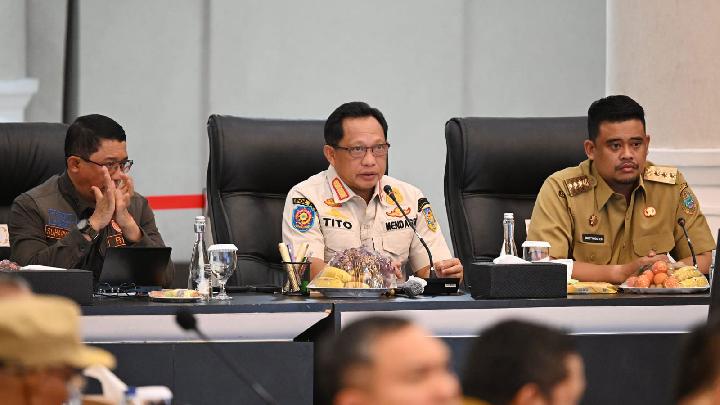
The government of North Sumatra Province has allocated a budget of Rp430 billion for post-disaster recovery from floods and landslides.
The Next Round of Budget Efficiency to Support Priority Projects
25 hari lalu
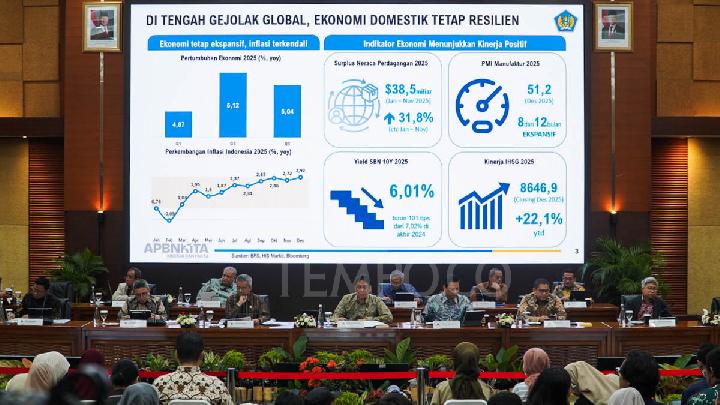
The government devises a special output-allocation scheme. It isolates ministry and agency budgets to secure President Prabowo's priority programs.
Comparing the Costs of Regional, Presidential, and Legislative Elections in Indonesia
25 hari lalu
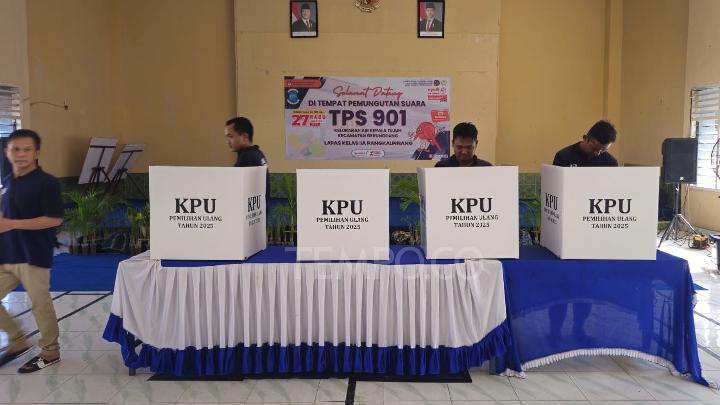
The efficiency argument used by parties when proposing indirect regional elections is far-fetched.